Hogar

Blog

Blog

  • Why Does the "Ceramization" Mechanism of Silicone Rubber Matter for Industrial Safety?
    Why Does the "Ceramization" Mechanism of Silicone Rubber Matter for Industrial Safety?
    Jun 29, 2026
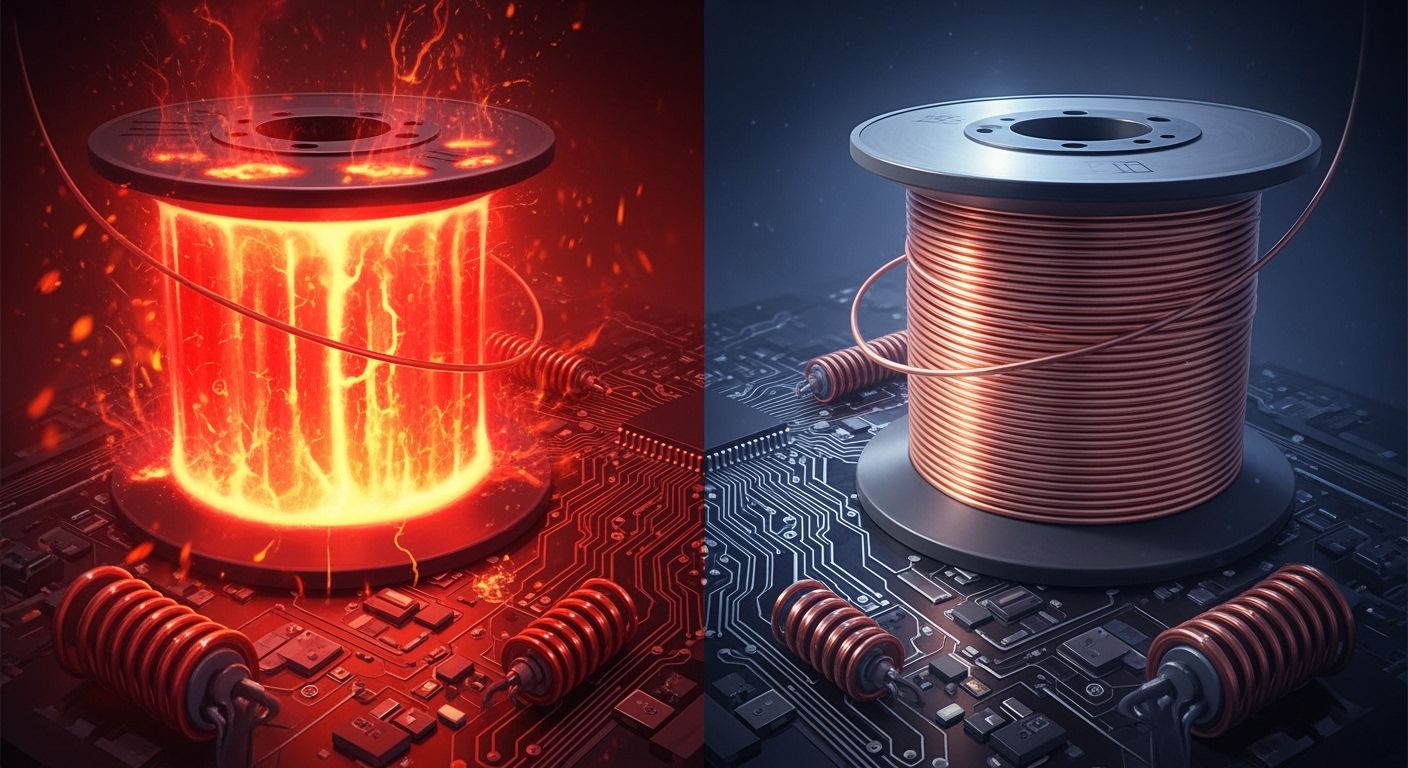
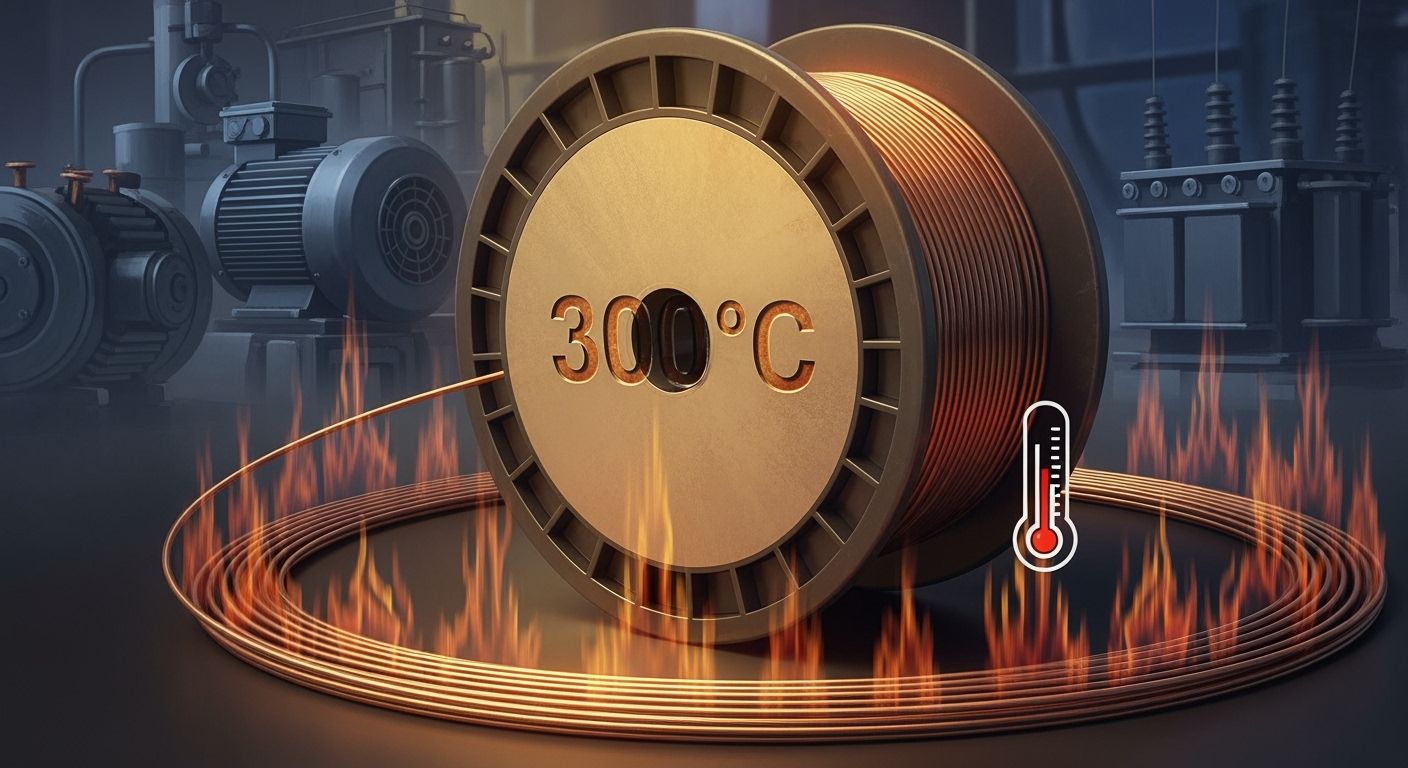
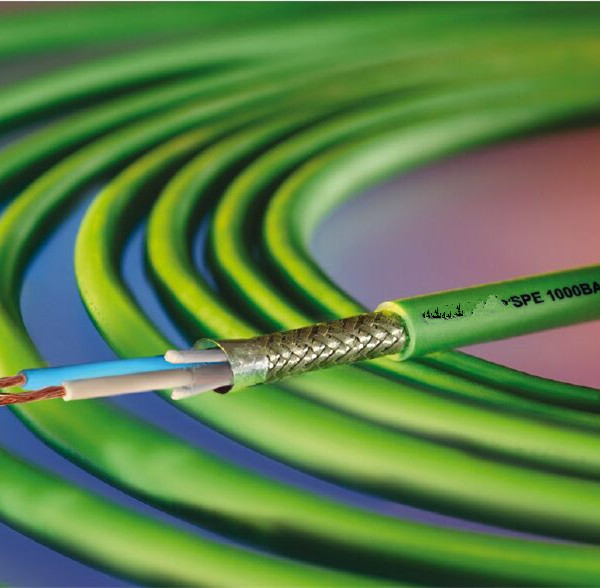
    Have you considered the impact of fire in your industrial environment?When you select high and low temperature resistance Silicone rubber cable, you address critical safety questions. Industrial fires often result from electrical faults, threatening workers. Material choice influences fire resistance and hazardous emissions.Your thought process shapes safer outcomes. Key Takeaways Ceramization transforms silicone rubber into a ceramic-like material during fires, enhancing fire safety and protecting critical circuits. Choosing Halogen-free Silicone Cables prevents toxic gas emissions, ensuring a safer environment for workers during fire incidents. High and low temperature resistance silicone rubber cables maintain their integrity under extreme conditions, providing reliable performance in emergencies. Ceramization Mechanism in Silicone Rubber What Is Ceramization? Ceramization describes a unique transformation where silicone rubber changes into a ceramic-like material when exposed to extreme heat. This process plays a vital role in fire safety for industrial environments. You rely on high and low temperature resistance silicone rubber cable to maintain performance under both normal and emergency conditions. The following table outlines the scientific aspects of ceramization in silicone rubber: Aspect Description Definition Ceramization refers to the process where silicone rubber composites transform into ceramic materials. Mechanism The primary mechanism is liquid-phase sintering, which involves the melting of glass frit at low temperatures. Key Materials Nano silica and low-melting-point glass frit are crucial for reducing sintering temperature and enhancing strength. Characteristics The composites maintain silicone rubber properties at room temperature and gain mechanical strength upon ceramization. CITCABLE’s Halogen-free Silicone Cable stands as a prime example of high and low temperature resistance silicone rubber cable. You benefit from its ability to resist both heat and cold, while also ensuring safety during fire events. How It Works in High Temperatures When a fire occurs, high and low temperature resistance silicone rubber cable undergoes a series of chemical and physical changes. The material forms a protective glassy layer at around 325°C, which melts at 500°C and initiates the creation of a strong ceramic matrix. As temperatures rise above 800°C, a eutectic fluid phase bonds mineral fillers with silica, enhancing the cable’s structural integrity. You can trust this transformation to maintain the cable’s function and protect critical circuits. During a fire, high and low temperature resistance silicone rubber cable offers these advantages: It forms a self-supporting ceramic body, preserving mechanical strength. It maintains operational safety by preventing copper wire from melting. It produces non-toxic byproducts, thanks to its halogen-free composition. You avoid the risk of toxic gas release, which is essential for worker safety. By choosing Halogen-free Silicone Cable, you ensure compliance with modern fire safety standards and protect your facility from hazardous emissions. Safety Benefits of High and Low Temperature Resistance Silicone Rubber Cable   Fire Resistance and Thermal Protection You need reliable fire protection in industrial environments. Fire Resisting Ceramic Silicone Cable provides a unique advantage. When exposed to extreme heat, the ceramization process transforms the silicone rubber into a solid ceramic layer. This layer shields the copper conductor from intense heat and mechanical stress, maintaining the cable’s function during emergencies. Unlike traditional cable materials that burn and produce carbon ash, silicone rubber decomposes into electrically insulating silica. This property allows your circuits to remain operational, even in the presence of fire. You can count on these cables to withstand temperatures up to 200°C and as low as -90°C. Their mineral composition ensures that, during a fire, a protective quartz glass film forms around the conductor. This film enhances insulation and prevents electrical failures. The ceramization mechanism not only protects the cable but also supports the operation of critical fire safety systems by maintaining electrical continuity. Tip: Choose Fire Resisting Ceramic Silicone Cable to ensure your facility meets the highest fire resistance standards, such as EN 50200 PH90-PH120 and IEC 60332-1-2. Structural Integrity in Emergencies You face unpredictable challenges in industrial settings, from fires to earthquakes. High and low temperature resistance silicone rubber cables maintain their insulation properties, even in polluted or harsh service areas. Their flexible design resists mechanical shocks, seismic activity, and even vandalism. This flexibility prevents insulation cracks from repeated bending and ensures the cable adapts to complex installations. Silicone composite insulators withstand lightning, UV exposure, and chemical degradation. The cable’s structure remains intact during emergencies, preserving circuit integrity. Superior seismic capability prevents failures during earthquakes. CITCABLE’s Halogen-free Silicone Cable stands out for its flexibility and resilience. You benefit from easy installation in tight spaces and reliable performance, even under extreme conditions. The cable’s odor-free and scentless nature creates a safer and more comfortable environment for workers. Feature Benefit Flexibility Simplifies installation in complex layouts Seismic and Mechanical Strength Maintains integrity during shocks and vibrations Durability Resists UV, chemicals, and temperature fluctuations Odor-Free Enhances workplace comfort Prevention of Toxic Gas Release You must protect your workforce from toxic hazards during a fire. Halogen-free silicone rubber cables, such as those from CITCABLE, do not emit harmful gases when exposed to flames. Traditional cables, especially those containing PVC, release dense smoke and toxic halogen gases, which pose serious health and environmental risks. In contrast, halogen-free flame retardants in these cables reduce toxic smoke emissions and create a physical barrier that limits heat and gas transfer. Phosphorus-based flame retardants minimize toxic smoke. Layered double hydroxide fillers absorb smoke particles and dilute combustible gases. Silicon-based flame retardants generate a protective ceramic layer, further reducing thermal degradation. You also contribute to environmental safety by choosing halogen-free cables. These cables do not release harmful gases during combustion, making them suitable for confined or sensitive industrial spaces. Note: CITCABLE’s Halogen-free Silicone Cable combines fire resistance, flexibility, and environmental responsibility, giving you peace of mind in every application. By selecting high and low temperature resistance silicone rubber cables, you ensure robust fire resistance, maintain structural integrity in emergencies, and prevent the release of toxic gases. These features make Fire Resisting Ceramic Silicone Cable an essential component of your industrial safety strategy. Thought-Provoking Questions for Safety Planning Why Ask Questions About Material Choice? You face many choices when planning for industrial safety. Asking thought-provoking questions helps you reach the depth needed for effective decisions. These questions act as conversation starters, pushing you to consider every angle. When you ask thought-provoking questions about cable materials, you uncover hidden risks and opportunities. For example, would you rather questions like, "Would you rather use a cable rated for extreme temperatures or one with basic fire resistance?" force you to weigh priorities. Consider these important factors when selecting cable materials: Type and quantity: What specific cables do you need, and how much? Environmental ratings: Will the cables withstand temperature swings, moisture, or chemical exposure? Operational environment: Are there corrosive elements or harsh conditions present? By asking the best question for each scenario, you ensure your safety plan covers all bases. Thought-provoking dilemmas help you see beyond the obvious and address real-world challenges. How Do Thought-Provoking Questions Improve Industrial Safety? Thought-provoking questions do more than spark thought—they drive action. When you use would you rather questions as conversation starters, you encourage your team to share insights and emotions. This approach builds a deep connection among decision-makers. You move beyond surface-level answers and reach the depth needed for robust safety planning. Would you rather questions like, "Would you rather prioritize toxic gas prevention or structural integrity during a fire?" help you clarify your values and goals. These thought-provoking questions reveal gaps in your current strategy and highlight areas for improvement. You foster a culture of compliance and critical analysis by making these questions part of your regular safety reviews. Remember: The right questions lead to better decisions and safer outcomes.   You strengthen industrial safety by understanding ceramization and choosing Superior Heat Resistance Cold Resistance Silicone Cable. When you ask questions about material selection, you address regulatory compliance, environmental sustainability, and fire safety standards. Evidence Type Description Regulatory Compliance Stricter fire safety standards increase demand for halogen-free cables. Environmental Sustainability Regulatory frameworks mandate sustainable materials. Fire Safety Standards Compliance requires low toxicity and strict fire safety criteria. You improve safety planning by prioritizing advanced, halogen-free silicone cables from CITCABLE. Ask questions to ensure your facility meets the highest standards. FAQ What makes ceramization important for industrial cables? Ceramization creates a ceramic shield during fires. You gain extra protection for circuits and reduce the risk of catastrophic failure in critical environments. Are halogen-free silicone cables safe for workers? Yes. You avoid toxic gas emissions during fires. This feature protects workers and supports compliance with strict industrial safety standards. How does flexibility benefit installation? You install cables easily in complex layouts. Flexible silicone rubber adapts to tight spaces and reduces the risk of insulation cracks.
    LEER MÁS
  • Why PEEK medical wire is beneficial in medical devices
    Why PEEK medical wire is beneficial in medical devices
    Jun 25, 2026
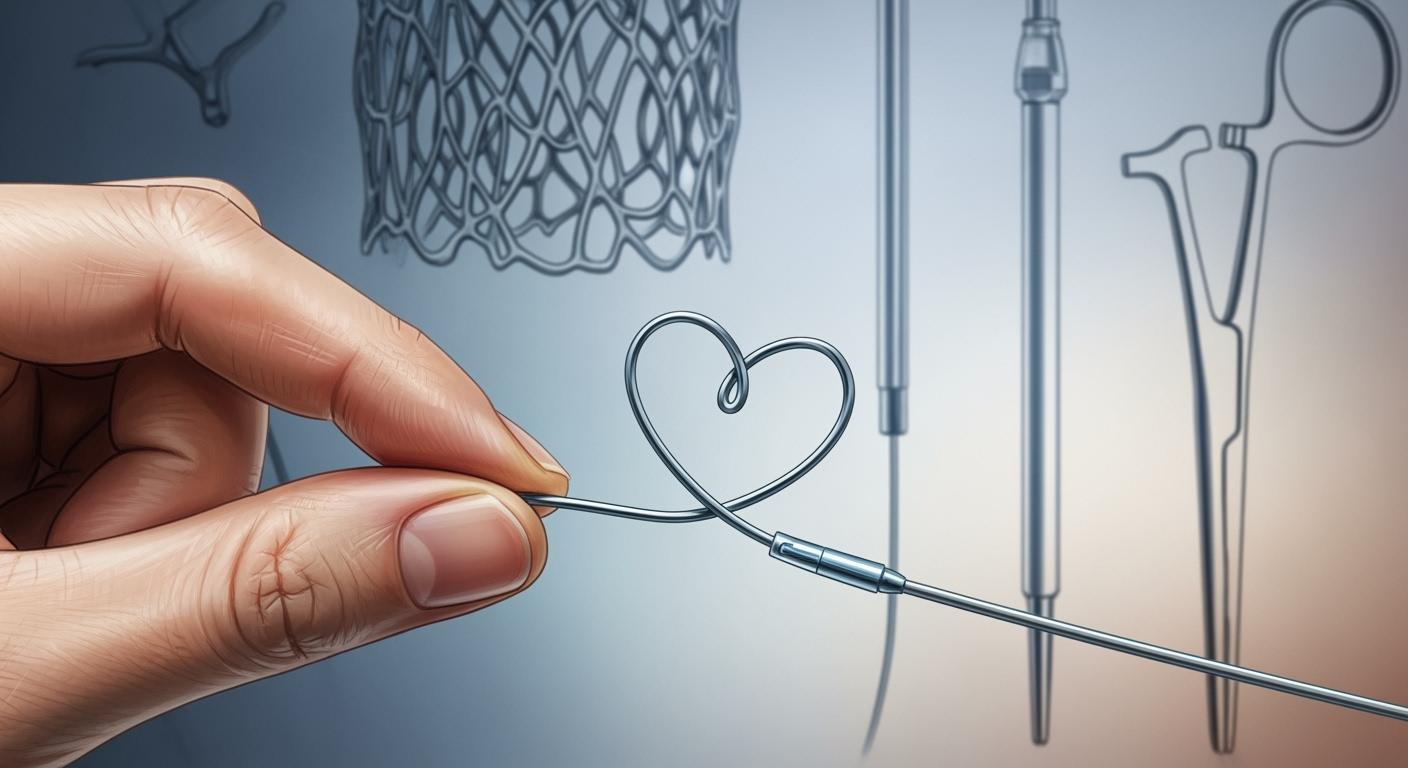
    You need materials that deliver strength, biocompatibility, and stability when designing advanced medical devices. Peek medical wire meets these demands with impressive tensile strength (90–100 MPa), high elongation at break, and notable fracture toughness, as shown below: Property PEEK Medical Wire Tensile Strength (MPa) 90–100 Elastic Modulus (GPa) 3.0–4.0 Elongation at Break (%) 30–50 Fracture Toughness (J/m) 70–90 Peek also resists heat, radiation, and repeated sterilization. You gain enhanced patient safety and device reliability—a key reason why the medical industry increasingly values this material.   Key Takeaways PEEK medical wire offers excellent biocompatibility, making it safe for long-term implants and reducing infection risks. The material combines high tensile strength with flexibility, ensuring durability and performance in demanding medical applications. PEEK withstands over 1000 autoclave cycles, maintaining its mechanical properties and supporting device longevity. Its resistance to heat, radiation, and chemicals makes PEEK ideal for use in harsh medical environments. PEEK enables advanced device designs, allowing for innovative solutions in minimally invasive and implantable medical technologies.   PEEK Medical Wire Benefits Biocompatibility & Purity You need materials that protect patients and support device performance. PEEK medical wire offers excellent biocompatibility, making it suitable for permanent implants. The material meets usp class vi compliant standards, ensuring purity and safety. You can rely on peek for applications where patient contact is frequent or long-term. Its low water absorption, about 0.1% at saturation, means peek medical wire maintains its dimensions and purity even after exposure to fluids or chemical baths. This property reduces the risk of contamination and supports patient safety. Tip: Choose peek medical wire for devices requiring high purity and biocompatibility. Its performance in medical environments sets it apart from many other polymers.   Strength & Flexibility Peek medical wire delivers high tensile strength and flexibility, which are essential for demanding medical applications. You can see the comparison below: Material Tensile Strength (MPa) Young’s Modulus (GPa) PEEK 85-100 2.8-3.9 Stainless Steel 517 200 While stainless steel offers higher tensile strength, peek provides a unique balance of strength and flexibility. You benefit from superior fatigue resistance, which prevents deformation in dynamic environments. Peek maintains effectiveness over extended periods, thanks to outstanding creep resistance and excellent compressive strength. You can machine, injection-mold, or 3D-print peek medical wire, giving you versatility in device design. Exceptional mechanical strength with tensile strength ranging from 97–200 MPa. Excellent fatigue and wear resistance, making it suitable for dynamic seals and components. High strength-to-weight ratio allows peek to replace metal in some applications.   Heat & Radiation Resistance Peek medical wire withstands continuous use temperatures up to 260°C without degradation. You can trust peek to retain mechanical properties at high temperatures, which is crucial for device reliability. The material also performs well under repeated radiation exposure. The table below shows how peek maintains its structural integrity after 1000 Mrad of radiation: Property Before Radiation After 1000 Mrad Change Charpy Impact Strength >6 kJ/m² 15-25% decrease Sufficient for structural applications Glass Transition Temperature (Tg) ≈ 143°C ±3°C shift Minimal disruption Melting Point (Tm) ≈ 343°C ±2°C shift Crystalline structure intact Heat Deflection Temperature (HDT) >300°C >300°C Maintained Thermal Decomposition Onset 575-580°C Decrease by 5-10°C Fundamental stability largely unaffected Coefficient of Thermal Expansion 47-50 × 10⁻⁶ /°C <5% increase Low moisture absorption prevents dimensional changes Peek medical wire’s low moisture absorption and hydrothermal resistance ensure dimensional stability, even after exposure to steam and hot water up to 250°C. You gain confidence in device performance during sterilization and radiation treatments.   Sterilization Durability You need medical devices that withstand repeated sterilization. Peek medical wire endures over 1000 autoclave cycles without significant loss of mechanical properties. Material Autoclave Cycles Medical Grade PEEK 1000+ Yes Peek’s hydrothermal resistance and low water absorption help maintain its shape and function after multiple sterilization processes. You can use peek medical tubing in environments where frequent cleaning and sterilization are required. This durability supports device longevity and patient safety.   Chemical & Corrosion Resistance Peek medical wire resists a wide range of chemicals and corrosion. You can use it in harsh environments without worrying about degradation. The material’s resistance to acids, bases, and solvents ensures that peek medical wire remains stable and reliable. You benefit from consistent performance, even when devices encounter aggressive fluids or repeated sterilization. Note: Peek medical wire’s chemical resistance makes it ideal for medical tubing and other components exposed to challenging conditions. You gain a material that combines excellent biocompatibility, high tensile strength, and durability. Peek medical wire supports advanced medical device designs, improves patient safety, and ensures reliable performance in demanding environments.   PEEK Wire in Medical Devices Patient Safety You want every medical device to protect patients from infection and complications. PEEK medical wire supports this goal through its biocompatibility and purity. You can further enhance infection control by selecting PEEK with antimicrobial coatings. These coatings, such as zinc and titanium dioxide, help reduce postoperative infection risks. When you use layered structures that combine TiO2 and zinc, you achieve a gradual release of antimicrobial ions. This approach minimizes early infection risks after implantation. You can trust PEEK to maintain safety in long-term implants and catheters, where infection control is critical. PEEK medical wire can be biofunctionalized for antimicrobial properties. Zinc and titanium dioxide coatings improve antimicrobial effectiveness. Layered coatings allow gradual ion release, reducing early infection risks. Tip: Choose PEEK for devices that require direct patient contact and long-term safety.   Device Longevity You need devices that last. PEEK resists wear, fatigue, and chemical attack, which extends the life of your medical devices. You can rely on PEEK for long-term implants because it maintains its mechanical properties over time. The material withstands repeated sterilization cycles, so you do not have to worry about degradation. This durability means fewer replacements and lower risk for patients. You also benefit from consistent device performance, even in harsh environments.   Advanced Designs You can push the boundaries of medical device innovation with PEEK. The material’s high strength and flexibility enable you to design advanced devices, such as artificial heart valves and miniaturized components. PEEK works well for polymeric heart valve leaflets and frames, which mimic the flexibility of natural tissue. You can use micro-molding technology to produce miniaturized devices at scale. This capability supports the development of next-generation medical solutions, including devices that require pushability for catheter applications. CITCable offers expertise in manufacturing PEEK wire for complex designs, helping you achieve your innovation goals. PEEK enables miniaturized and advanced device designs. The material supports polymeric heart valve leaflets and frames. Micro-molding technology allows scalable production of small, precise components. You gain a material that enhances patient safety, extends device life, and enables advanced medical designs.   PEEK vs Other Materials Metal Wire Comparison You often choose between PEEK medical wire and metal wire for device construction. PEEK offers several advantages over metals. You gain a lightweight material that resists corrosion and chemicals, unlike metals that may corrode or require protective coatings. PEEK also provides excellent electrical insulation, which is important in electronic medical devices. You can machine PEEK easily, which helps you create complex shapes for advanced applications. Feature PEEK Metal Weight Very lightweight Heavy Corrosion Resistance Excellent May corrode Chemical Resistance Outstanding Limited Electrical Insulation Excellent Conductive Machinability Good Moderate PEEK eliminates the need for corrosion coatings, reducing costs. You benefit from longer service life and fewer maintenance intervals. PEEK’s weight savings improve patient comfort and device handling.   Polymer Comparison You may consider other medical-grade polymers for device manufacturing. PEEK stands out for its unmatched strength and biocompatibility. You can rely on PEEK to resist bodily fluids and maintain structural integrity under stress, which is critical for long-term implants. Other polymers may offer moderate strength and variable chemical resistance, but PEEK consistently delivers superior performance. Material Biocompatibility Mechanical Strength Chemical Resistance PEEK Excellent High Superior Other Polymers Varies Moderate to High Varies PEEK is recognized for exceptional biocompatibility. You gain superior mechanical strength and longevity in medical applications. PEEK demonstrates excellent resistance to bodily fluids.   PEEK Tubing Advantages You want tubing that delivers flexibility, durability, and chemical resistance. PEEK medical tubing offers high temperature tolerance and mechanical strength. You can use it in demanding environments where other materials may fail. PEEK tubing’s lightweight properties reduce device weight, enhancing patient comfort and ease of use. You also benefit from improved medical outcomes and safety. Property PEEK Tubing Metal Tubing Other Polymer Tubing Flexibility High Low Moderate Durability Excellent Good Variable Chemical Resistance Superior Moderate Low Temperature Tolerance High High Low to Moderate High temperature tolerance Mechanical strength Chemical and hydrolytic resistance Excellent creep behavior Note: PEEK medical tubing’s lightweight design improves patient comfort and device performance. You can trust PEEK for advanced medical solutions.   PEEK Medical Wire Applications Minimally Invasive Devices You can improve patient outcomes by selecting PEEK medical wire for minimally invasive devices. The material’s flexibility and strength allow you to design guidewires, catheters, and endoscopic tools that navigate complex anatomy with ease. You gain precise control during procedures, which reduces trauma and speeds up recovery. PEEK medical tubing supports these devices by maintaining structural integrity and resisting kinks, even in challenging environments. You can rely on PEEK to deliver consistent performance in applications where device miniaturization and maneuverability are essential. Note: PEEK medical wire’s radiolucency enables clear imaging during minimally invasive procedures, helping you monitor device placement without interference.   Implantable Devices You want implants that last and integrate well with the body. PEEK medical wire meets usp class vi compliant standards, ensuring safety and biocompatibility for long-term use. You can use PEEK in implantable devices such as spinal cages, dental prostheses, and cardiovascular stents. The material’s mechanical properties closely match those of cortical bone, which reduces stress shielding and promotes healing. You gain the advantage of radiolucency, allowing for clear post-surgical imaging and better clinical monitoring. PEEK medical tubing also supports implantable devices by providing durable, flexible conduits for fluids and electrical signals. PEEK enables advanced implant designs. You achieve improved patient comfort and reduced risk of complications. The material’s abrasion resistance and elasticity enhance load-sharing and stress distribution.   Orthopedic & Cardiovascular Uses You can enhance orthopedic implant applications by choosing PEEK medical wire. The material’s strength and durability make it ideal for bone plates, screws, and joint replacements. You benefit from high abrasion resistance and elasticity similar to natural bone, which improves load-sharing and stress distribution. In cardiovascular devices, PEEK supports the development of heart valve frames, vascular grafts, and stent delivery systems. You gain reliable performance in demanding environments, where chemical resistance and repeated sterilization are critical. PEEK medical tubing provides flexible, biocompatible pathways for blood and other fluids, supporting advanced cardiovascular solutions. Tip: You can use PEEK in spinal fusion and dental restoration devices. Its compatibility with bone and radiolucency help reduce stress shielding and improve clinical outcomes. You gain a versatile material that supports minimally invasive, implantable, orthopedic, and cardiovascular devices. PEEK delivers strength, biocompatibility, and durability, making it a trusted choice for medical applications.   You gain significant advantages by choosing PEEK medical wire for your medical devices. The material offers durability, biocompatibility, and resistance to harsh conditions, making it ideal for repeated sterilization. You can see how PEEK stands out compared to other materials: Advantage Description Radiolucency Enables clear imaging for X-ray, CT, and MRI Bone-like elasticity Reduces stress shielding in implants Corrosion resistance Ensures long-term reliability Biocompatibility Safe for use in the human body Lightweight Eases handling and implantation Complex designs Supports innovative device engineering You set a higher standard for safety and performance when you select PEEK for your next medical innovation.   FAQ What makes PEEK medical wire different from metal wire? You get a lightweight, corrosion-resistant alternative with PEEK. It offers excellent flexibility and biocompatibility. You avoid issues like metal allergies and benefit from easier imaging due to PEEK’s radiolucency. Can you sterilize PEEK medical wire multiple times? You can sterilize PEEK medical wire over 1,000 autoclave cycles. It maintains its strength and shape after repeated sterilization, making it ideal for reusable devices. Is PEEK medical wire safe for implants? You can trust PEEK medical wire for implants. It meets strict biocompatibility standards and resists bodily fluids. You reduce the risk of rejection or complications in long-term use. Where do you use PEEK medical wire in devices? You find PEEK medical wire in minimally invasive tools, implantable devices, and orthopedic or cardiovascular systems. It supports advanced designs and improves patient outcomes in the medical field. Does PEEK medical wire interfere with imaging? You do not experience imaging interference with PEEK. Its radiolucency allows clear X-ray, CT, and MRI scans, so you can monitor device placement and healing without obstruction.
    LEER MÁS
  • How do cable specifications impact hybrid electric vehicle performance?
    How do cable specifications impact hybrid electric vehicle performance?
    Jun 15, 2026
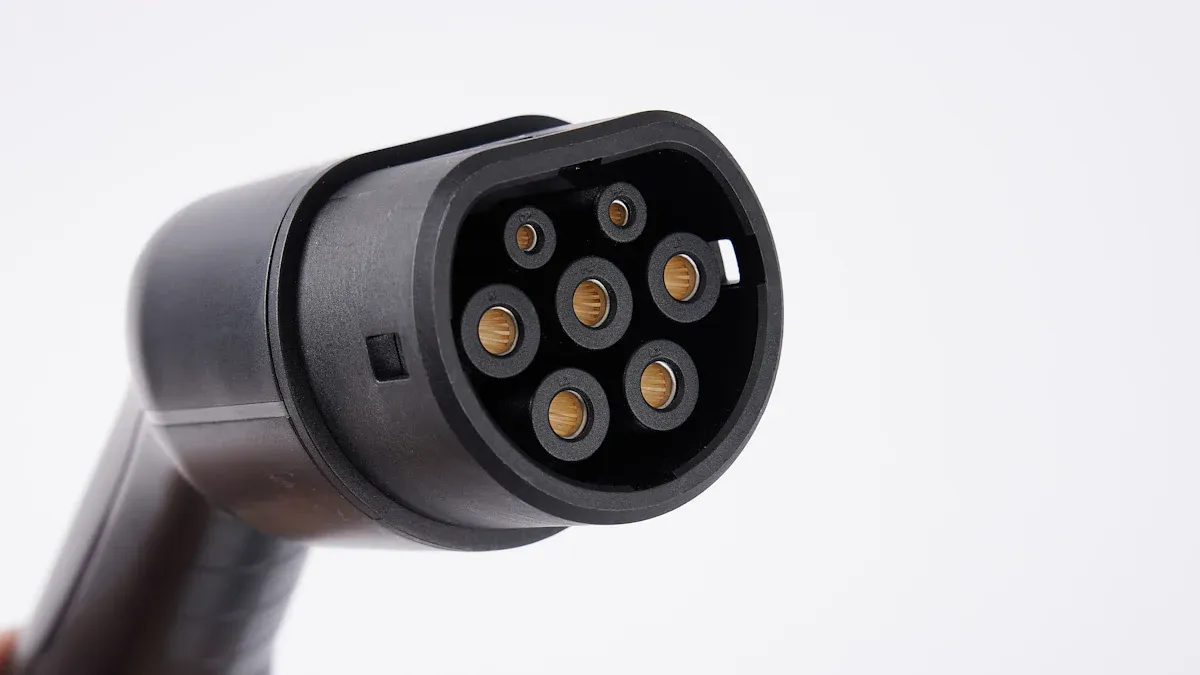
    You rely on the right Hybrid Electric Vehicle Cable to optimize your vehicle’s power delivery, safety, and efficiency. Cable specifications play a direct role in how your hybrid electric vehicle performs every day. The type, size, material, and insulation of each hybrid electric vehicle cable affect energy loss, heat management, and long-term durability. You can see how heat resistance, weight, and electromagnetic interference shape the efficiency and safety of every hybrid electric vehicle cable. The insulation material in a hybrid electric vehicle cable determines its temperature rating, which protects your vehicle from overheating and ensures reliability. When you choose a hybrid electric vehicle cable, you also impact the overall weight, which influences range and efficiency. The right hybrid electric vehicle cable withstands operational heat and maintains performance over time.   Hybrid Electric Vehicle Cable Types   You encounter several cable types in hybrid electric vehicles, each designed for a specific role. These cables ensure your vehicle operates safely and efficiently, even under demanding conditions. EV Battery Cables: You use these to transmit power between the battery pack and the electric systems. They handle high electrical currents and voltages, often reaching hundreds or even over 1,000 volts. EV Charging Cables: These connect your vehicle to external electrical sources. You rely on them for both home and public charging, with variations like Type 1 and Type 2 for different charging stations. Signal Cables: These manage communication between electronic control units, sensors, and actuators. You depend on them for accurate data transmission and system coordination. Hybrid Cables: These integrate multiple functionalities, such as power and signal transmission, into a single cable assembly. You benefit from reduced weight and simplified installation.   Power Cables   Power cables form the backbone of your hybrid electric vehicle’s electrical system. You find them in two main categories:   High Voltage   High voltage power cables deliver energy from the battery to the electric motor and other high-power components. You often see three large-diameter wires used for motor power, ensuring efficient energy transfer and minimizing losses. These cables must withstand high temperatures and mechanical stress during operation.   Low Voltage   Low voltage power cables supply energy to auxiliary systems, such as lighting, infotainment, and control modules. You need these cables to maintain stable performance and protect sensitive electronics from voltage fluctuations.   Signal Cables   Signal cables play a critical role in your vehicle’s communication network. They transmit control signals, sensor data, and feedback between various modules. You rely on their shielding to prevent electromagnetic interference, which ensures accurate and reliable operation of safety and performance systems.   Vibration-Proof Heat Resistant Cable   You face harsh environments in hybrid electric vehicles, including constant vibration and elevated temperatures. The Vibration-proof Heat Resistant Cable addresses these challenges by combining flexibility, durability, and superior heat resistance. You can use these cables in areas exposed to engine heat or frequent movement, which helps maintain stable charging and power delivery. Their robust construction reduces the risk of insulation failure and extends the service life of your vehicle’s wiring system. Tip: When selecting cable types for your hybrid electric vehicle, always consider the specific requirements of each application. Proper cable selection enhances charging efficiency, safety, and long-term reliability.   Electric Vehicle Charging Cables   You interact with several types of charging cables every time you connect your hybrid or electric vehicle to a charging station. Understanding the differences between these cables helps you make informed decisions about charging infrastructure and ensures your vehicle charges safely and efficiently.   Type 1 and Type 2 Cables   You often encounter Type 1 and Type 2 cables at public charging stations and home charging points. Type 1 cables use a single-phase connection, which suits many hybrid electric vehicles in North America and Japan. Type 2 cables, on the other hand, support both single-phase and three-phase charging. You find Type 2 cables as the standard across Europe, making them compatible with almost all electric vehicles and hybrid models. Type 2 cables offer flexible charging speeds, ranging from 3.7 kW up to 22 kW, which allows you to select the right charging point for your needs. The combined charging system and chademo connector also play a role in fast charging, but Type 2 remains the most widely adopted for everyday use. Here is a comparison to help you understand the differences: Feature Type 2 Chargers Type 3 Chargers Compatibility Widely compatible with almost all EVs due to the standard Type 2 socket. Limited compatibility; only a few EV models are equipped with Type 3 sockets. Charging Speed Offers power options from 3.7 kW to 22 kW, suitable for various charging needs. Capable of delivering up to 22 kW, comparable to Type 2 chargers. Adoption Standard in Europe and widely used at commercial charging stations. Limited adoption, mainly in French-speaking countries. Communication Protocol Uses IEC 61851-1 Mode 2 or Mode 3 protocol, enabling advanced features like monitoring and remote control. Uses IEC 61851-1 Mode 3 protocol, less supported by EV manufacturers. You see that Type 2 cables dominate the market due to their compatibility and charging speed. You also notice that the sae j1772 connector is common in North America, while the combined charging system and chademo connector support dc fast charging at many charging stations.   Mode 3 Charging Cables   You use Mode 3 charging cables at dedicated charging stations and charging points. These cables connect your vehicle directly to the charging infrastructure, providing advanced safety features and communication protocols. Mode 3 supports both tethered cables and untethered cables, giving you flexibility at public and private charging points. Tethered cables remain attached to the charging station, while untethered cables allow you to carry your own cable and connect to different charging stations. You benefit from Mode 3’s ability to handle dc fast charging, which reduces charging time and increases convenience.   Cable Structure and Insulation   You rely on electric vehicle charging cables with robust structure and insulation to ensure safety and performance. The insulation provides electrical isolation, which prevents shocks during charging. It also offers mechanical protection, shielding the cable from physical damage and environmental factors like UV light and moisture. High-temperature resistance materials, such as 125℃ irradiation cross-linked insulation, maintain cable integrity under the heat generated by dc fast charging. These materials also resist aging and mechanical wear, extending the lifespan of your charging cables. High-temperature resistance keeps your cables safe during dc fast charging. Aging resistance protects against UV rays and moisture at outdoor charging stations. Mechanical durability ensures reliable performance at every charging point. You can enhance your charging experience by choosing electric vehicle charging cables with advanced insulation and multi-layer design. For applications requiring even higher temperature resistance, you may consider 150°C and 200°C Fluoroelastomer wire, which delivers exceptional durability and safety for demanding charging environments.   Conductor Material   You make a critical choice when selecting the conductor material for your hybrid electric vehicle cables. The conductor determines how efficiently electricity flows, how much heat the cable generates, and how much weight your vehicle carries. Two main options dominate the industry: copper and aluminum.   Copper vs Aluminum   Conductivity   You want your cables to deliver power with minimal loss. Copper stands out for its superior electrical conductivity. Aluminum, while lighter, does not match copper’s ability to carry current as efficiently. The table below compares the two materials: Property Copper (Cu) Aluminum (Al) Conductivity (IACS) 100% ~61% Resistivity (Ω·mm²/m) 0.0172 0.0282 You see that copper offers the highest conductivity, which means less energy loss and lower heat generation. Aluminum’s higher resistivity means you need a larger cross-sectional area to achieve the same performance as copper. This difference impacts both efficiency and cable design.   Weight   You also need to consider the weight of your vehicle’s wiring. Aluminum provides a significant advantage here: Aluminum weighs about one-third as much as copper, which helps reduce the overall weight of your vehicle. Lighter wiring can improve your vehicle’s range and efficiency because less energy is required to move the vehicle. Many engineers use aluminum for busbars and certain wiring components, achieving up to 50% weight savings compared to copper. You benefit from these weight reductions, especially in hybrid electric vehicles where every kilogram counts.   Material Purity   Imagine two roads: one smooth and freshly paved, and another filled with small rocks and debris. A car can travel on both, but the smooth road allows for faster, more consistent movement. Electricity behaves the same way in conductors. High-purity materials provide a clear path for electrons, while impurities act like obstacles, increasing resistance and wasting energy. You should always look for high-purity conductor materials in your hybrid electric vehicle cables. Purity directly affects resistance. Impurities disrupt the flow of electrons, causing more heat and energy loss. Over time, this extra heat stresses the insulation, which can lead to premature wear or even electrical faults. Impurities also accelerate corrosion and fatigue, reducing the long-term reliability of your cables. Manufacturers measure purity using industry standards such as conductivity tests and chemical analysis. For example, copper conductors often come in purities like 99.90%, 99.95%, or even 99.999%. Even small differences in purity can lead to noticeable changes in conductivity, heat generation, and cable lifespan. You ensure the best performance and durability by choosing cables with the highest available purity.   Cable Size   You make critical decisions about cable size when designing or maintaining a hybrid electric vehicle. The right cable size ensures safe, efficient charging and reliable power delivery. You must consider several factors, such as conductor standards, voltage range, and the environment where the cable operates. When you select a cable for charging, you look at the working voltage, current, and temperature rise. You also compare the peak current and duration with the cable’s performance curve. This process helps you match the cable size to the demands of your charging system.   Current Capacity   You need to match the cable’s current-carrying capacity to the charging requirements of your vehicle. If you choose a cable that is too small, you risk overheating and energy loss during charging. If you select a cable that is too large, you add unnecessary weight and cost. You follow industry standards like LV216-1/2 and ISO19642 to guide your choices. These standards help you verify the working voltage, usually below 1000V DC, and select the right diameter for your charging cables.   Energy Loss   You want to minimize energy loss during charging. When you use a cable with the correct size, you reduce resistance and keep energy loss low. If the cable is too thin, resistance increases, and you lose more energy as heat. This loss affects the efficiency of your charging process and can shorten the lifespan of your vehicle’s electrical system. You always check the effective working current and ensure the cable can handle the peak current during charging.   Heat Generation   You must control heat generation in your charging cables. Excessive heat can damage insulation and reduce cable life. You select cable sizes based on temperature rise and current-carrying capacity. You also ensure that the fuse blows before the cable reaches its smoke point. This approach protects your vehicle during high-current charging events. You rely on cables with advanced insulation, such as those found in Vibration-proof Heat Resistant Cable, to withstand the heat produced during fast charging. Tip: Always monitor the temperature of your charging cables during operation. Consistent overheating signals the need for a larger cable size or improved insulation.   Impact on Vehicle Weight   You balance cable size with vehicle weight to optimize charging efficiency and performance. When you use higher voltage systems, such as 48V, you can select smaller cables for charging. These cables weigh less and use less copper than traditional 12V wires. For example: 48V charging wires have about 10% of the diameter and weight of 12V wires. Smaller charging cables reduce the overall weight of your vehicle. Lower weight improves thermal efficiency and enhances vehicle performance during charging. You see that every kilogram saved in cable weight can extend your vehicle’s range and improve charging speed. You also reduce material costs and make your vehicle more efficient. When you choose the right cable size for charging, you achieve a balance between safety, performance, and weight. You can further enhance your charging system by selecting cables with high-temperature insulation, such as 150°C and 200°C Fluoroelastomer wire. These cables maintain performance even during intense charging sessions and demanding environments.   Insulation and Heat Resistance   You depend on advanced insulation and heat resistance to ensure your hybrid electric vehicle cables perform reliably under demanding conditions. Insulation materials protect against electrical faults, mechanical damage, and environmental hazards. High-performance insulation also maintains cable integrity when exposed to elevated temperatures and vibration.   Fluoroelastomer Wire   High Temperature Performance   You encounter extreme heat in hybrid electric vehicle powertrains, especially near engines and battery packs. Insulation materials with higher temperature ratings deliver superior durability and safety. The table below compares common insulation materials used in hybrid electric vehicle cables: Property PVC TPU Irradiation Cross-Linked Max Operating Temp ~70℃ ~90℃ 125℃ continuous UV Resistance Low Medium High Flexibility at Cold Poor Good Excellent Mechanical Strength Low Medium High Environmental Compliance Halogenated Variable Halogen-Free Cost Low Medium Higher (but long-lasting) Insulation materials rated for 125°C or higher, such as irradiation cross-linked compounds, resist degradation and maintain structural integrity under high current loads. Lower-rated materials like PVC can soften and lose strength at elevated temperatures, increasing fire risk and reducing cable lifespan. You achieve even greater heat resistance with fluoroelastomer wire. AFLAS fluoroelastomers withstand temperatures up to 200°C, making them ideal for hybrid electric vehicle applications. FEPM fluoroelastomers also deliver long-term durability in high-temperature environments. These materials ensure reliability where thermal stress is constant. AFLAS fluoroelastomers operate reliably at temperatures up to 200°C. FEPM fluoroelastomers provide lasting performance in high-heat zones. Fluoroelastomer insulation remains nonflammable, supporting safety in electric and hybrid vehicles.   Durability   You require cables that last through years of operation. Fluoroelastomer wires resist chemical exposure, mechanical abrasion, and thermal cycling. Their nonflammable nature protects your vehicle from fire hazards. You benefit from their ability to maintain flexibility and insulation integrity, even after repeated heating and cooling cycles. Choose fluoroelastomer wire for critical areas where heat and durability matter most. You secure long-term reliability and reduce maintenance needs.   Vibration-Proof Features   You face constant vibration in hybrid electric vehicles, especially near motors and suspension systems. Vibration-proof features protect cable integrity and prevent insulation failure. Hoonsun seals provide effective vibration damping and exceptional resistance to high temperatures. These seals offer excellent cable management and structural protection, which are essential for maintaining performance under vibration. Secondary locking features enhance vibration resistance. Sealing gaskets deliver environmental protection (IP67+), ensuring durability. Shielded, compact connectors maintain signal integrity during high-vibration operation. Flexible cable materials like silicone and advanced TPE blends withstand frequent movement and vibration. Spiral and recoilable cable designs offer shape memory and elastic recovery, further improving vibration resistance. You maintain cable integrity by selecting cables with robust vibration-proof features. These designs ensure stable performance and reduce the risk of electrical faults. For the most demanding environments, you can rely on 150°C and 200°C Fluoroelastomer wire to deliver unmatched heat resistance and durability. This choice supports optimal performance and safety in hybrid electric vehicles.   EV Charging Connectors   You interact with ev charging connectors every time you charge your hybrid electric vehicle. These connectors serve as the critical link between your vehicle and the charging station. The right connectors ensure that energy flows safely and efficiently, supporting the overall performance of your vehicle. When you select a Hybrid Electric Vehicle Cable, you also need to consider the compatibility and quality of the connectors attached to it.   Connector Quality   The quality of ev charging connectors directly affects the reliability and safety of your charging system. High-quality connectors provide a secure and stable connection, which is essential for efficient energy transfer.   Secure Connections   You depend on connectors to create a solid link between the charging cable and your vehicle. The control module checks the connectors before charging begins. If the connectors do not latch properly, the system will disable the connection to prevent risks such as arcing or overheating. This process protects you and your vehicle from dangerous situations. Reliable connectors also help maintain a consistent flow of electricity, reducing the chance of interruptions during charging. Connectors play a crucial role in the charging process by ensuring proper attachment. The system checks connectors for readiness before allowing energy transfer. If a latch slips or a connector fails, the system stops charging to prevent hazards.   Maintenance   You need to maintain your ev charging connectors to ensure long-term performance. Regular inspection helps you spot signs of wear, corrosion, or damage. Clean connectors allow for better contact and reduce resistance, which improves charging efficiency. If you notice any issues, replace the connectors promptly to avoid safety risks. Using a Vibration-proof Heat Resistant Cable can also help, as these cables and their connectors withstand harsh environments and frequent use. Inspect connectors for physical damage or corrosion. Clean connectors regularly to maintain optimal contact. Replace worn or damaged connectors to ensure safety.   Impact on Performance   The performance of your hybrid electric vehicle depends on the quality and condition of the ev charging connectors. These connectors form part of the Electric Vehicle Supply Equipment (EVSE), which includes cables and protective devices. EVSE ensures standardized and safe energy transfer between the power source and your vehicle. Rigorous testing and compliance with industry standards guarantee that connectors deliver reliable performance. When you use high-quality connectors, you experience faster charging times and fewer interruptions. Poor-quality connectors can cause energy loss, overheating, or even system failure. You should always choose connectors that meet strict safety and durability standards. For demanding environments, consider using 150°C and 200°C Fluoroelastomer wire with compatible connectors to achieve the best results. Tip: Always match your connectors to your vehicle’s requirements and charging environment. This practice ensures optimal performance and extends the lifespan of your charging system.   Performance Concerns   Energy Efficiency   You strive for maximum energy efficiency in every hybrid electric vehicle. Cable specifications play a crucial role in how efficiently your vehicle transfers power during charging and operation. When you select cables with high conductivity and optimal size, you minimize energy loss. Copper conductors deliver superior performance, but you must balance weight and flexibility. Aluminum offers lighter alternatives, yet requires larger diameters to match copper’s efficiency. You also need to consider insulation materials. Advanced insulation reduces resistance and prevents unnecessary heat buildup. When you use cables with high-purity conductors and robust insulation, you ensure that more energy reaches the motor and battery, rather than dissipating as heat. This approach improves your vehicle’s range and reduces charging time. Tip: Always match cable specifications to your vehicle’s charging requirements. Proper selection enhances energy efficiency and supports faster charging cycles.   Heat Management   You face significant heat management challenges when operating hybrid electric vehicles. Cable selection directly impacts how well your vehicle handles thermal stress during charging and high-power operation. Common challenges include: Managing heat exposure in cables near battery packs and motors Selecting appropriate insulation materials for high-temperature zones Ensuring flexibility and durability under continuous thermal stress You must choose insulation materials rated for the expected temperature range. Here is a comparison of common insulation types and their temperature ratings: Insulation Material Max Operating Temperature PVC 90° to 105°C Thermoplastic Polyurethane (TPU) Up to 125°C Cross-linked Polyethylene (XLPE) Up to 125°C Irradiation XLPE Up to 150°C Silicone & Cross-linked Fluoroelastomers (XLFEs) Up to 200°C You rely on advanced insulation materials to improve heat management. Ceramic fiber holds a significant share of the electric vehicle insulation market due to its exceptional heat resistance and fire protection. Silicone rubber offers flexibility and strong thermal resistance, supporting long service life and enhancing safety in high-voltage environments. Thermal interface materials improve thermal conductivity, preventing overheating in battery packs and power electronics. When you select cables with high-temperature insulation, such as 150°C and 200°C Fluoroelastomer wire, you protect your vehicle from thermal events and ensure reliable charging performance. These materials withstand extreme heat and maintain structural integrity, supporting critical safety features. Note: Effective heat management extends cable lifespan and reduces maintenance needs. Always verify insulation ratings before installing cables in high-temperature areas.   Durability   You demand durability from every cable in your hybrid electric vehicle. Environmental factors such as temperature, vibration, humidity, and mechanical stress challenge cable longevity. Industry standards, including ISO 16750-3 and ISO 16750-4, address mechanical and climatic loads. These standards require cables to withstand vibration, mechanical shock, humidity, dust, corrosion, and ice. You encounter combined humidity and vibration tests that simulate real-world conditions. Temperature testing ranges from -45°C to 50°C, with higher thresholds for cables near engines or exposed to sunlight. Environmental tests verify cable effectiveness and safety at both vehicle and subsystem levels. You achieve greater durability by selecting cables with robust insulation and vibration-proof features. Flexible materials, such as silicone and fluoroelastomers, maintain performance under repeated movement and thermal cycling. When you use cables like Vibration-proof Heat Resistant Cable, you ensure stable charging and protect against insulation failure. Tip: Choose cables tested for vibration and climatic loads. This practice guarantees long-term durability and supports essential safety features in hybrid electric vehicles.   Safety   You must prioritize safety when selecting cables for hybrid electric vehicles. The right Hybrid Electric Vehicle Cable protects you from electrical hazards and ensures your vehicle operates reliably in all conditions. Industry standards require cables to pass rigorous tests before they reach your vehicle. These tests confirm that each cable can withstand the harsh environments and high voltages found in modern hybrid systems. Testing Category Purpose Thermal Aging Tests Evaluate material performance after prolonged heat exposure (e.g., 125°C for 3,000+ hours). Dielectric Breakdown & Insulation Resistance Tests Measure resistance to electrical breakdown at high voltages (1,000V to 5,000V). Flame Propagation Tests Ensure materials do not contribute to fire spread or emit toxic smoke (IEC 60332-1, UL 94). Cold Flexibility and Abrasion Tests Assess durability in winter conditions and during vibrations. Chemical Resistance Testing Simulate exposure to various automotive fluids. Water Spray and Condensation Tests Critical for cables routed underfloor or near HVAC systems. You depend on these tests to guarantee that your vehicle’s wiring will not fail under stress. For example, flame propagation tests ensure that cables do not spread fire or release harmful smoke. Dielectric breakdown and insulation resistance tests confirm that cables can handle high voltages without shorting or leaking current. Cold flexibility and abrasion tests check that cables remain durable during winter driving and constant vibration. Automotive engineers also use advanced systems to monitor cable integrity. The High Voltage Interlock Loop (HVIL) checks the condition of high-voltage modules, cables, and connectors. This system powers down the high-voltage circuit if it detects a fault. HVIL prevents electric shock by ensuring that voltage levels are safe before you or a technician can touch any components. You benefit from this automatic protection every time you drive or service your vehicle. HVIL monitors the entire high-voltage system for faults. It disconnects power instantly if a problem appears. You avoid electric shock because HVIL ensures safe voltage levels before contact. You should also consider the cable’s ability to resist fire, chemicals, and water. Hybrid vehicles often operate in challenging environments, such as wet roads or near engine compartments. A Vibration-proof Heat Resistant Cable provides extra protection against heat, vibration, and moisture. This type of cable maintains its structure and insulation even when exposed to harsh conditions, reducing the risk of short circuits or fire. When you select cables with high-quality insulation, you further improve safety. Materials like 150°C and 200°C Fluoroelastomer wire offer outstanding resistance to heat and chemicals. These wires do not burn easily and do not emit toxic smoke, which helps protect you and your passengers in the event of a fire. You can trust these advanced materials to keep your vehicle’s electrical system secure and reliable. Tip: Always choose cables that meet or exceed industry safety standards. This decision protects you, your vehicle, and everyone on the road.   You drive performance, safety, and reliability by selecting the right cable specifications for hybrid electric vehicles. You optimize charging efficiency with advanced conductor materials and precise cable sizing. You improve charging safety by using insulation that withstands heat and vibration. You benefit from innovations like thermally conductive insulation, nanomaterial-enhanced conductors, and smart cables that monitor charging conditions. You rely on co-extrusion techniques for compact cable designs and enhanced charging durability. You achieve optimal charging operation by prioritizing cable quality in every charging system. You secure long-term charging reliability with 150°C and 200°C Fluoroelastomer wire.       FAQ What makes a Hybrid Electric Vehicle Cable different from standard automotive cables? You use a Hybrid Electric Vehicle Cable because it handles higher voltages and currents. This cable supports efficient charging, resists heat, and ensures safety. Standard automotive cables cannot meet the demands of hybrid systems or advanced charging requirements. How do I choose the right cable for fast charging? You select cables rated for your vehicle’s maximum charging current and voltage. Look for robust insulation and heat resistance. Fast charging generates more heat, so you need cables that maintain performance and safety during rapid charging cycles. Why is insulation important for charging cables? Insulation protects you from electric shock and prevents short circuits during charging. It also shields the cable from heat and environmental damage. High-quality insulation ensures your charging system remains safe and reliable, even under heavy use. Can vibration affect charging cable performance? Yes, vibration can cause wear and insulation failure over time. You reduce this risk by using a Vibration-proof Heat Resistant Cable. This cable maintains stable charging performance, even in areas exposed to constant movement or engine vibration. What temperature rating should I look for in charging cables? You should choose cables with a temperature rating that matches your vehicle’s charging environment. For demanding applications, 150°C or 200°C ratings offer superior protection. 150°C and 200°C Fluoroelastomer wire ensures your charging cables withstand extreme heat. How often should I inspect my charging cables? You should inspect your charging cables regularly for signs of wear, damage, or corrosion. Frequent checks help you catch problems early and maintain safe charging. Replace cables immediately if you notice any defects. Do cable connectors impact charging efficiency? Yes, connectors play a key role in charging. Secure, high-quality connectors ensure stable current flow and reduce energy loss. Poor connectors can cause overheating or interruptions during charging, so always use connectors that match your cable and vehicle requirements. Are there standards for charging cable safety? You benefit from industry standards that set requirements for charging cable safety. These standards cover insulation, heat resistance, and durability. Following them ensures your charging cables deliver reliable performance and protect you during every charging session.
    LEER MÁS
  • What Are The Key Cable Types For Electronic Products And Their Practical Applications?
    What Are The Key Cable Types For Electronic Products And Their Practical Applications?
    Jun 09, 2026
      You often work with electronic devices that require different c ables for power, charging, and data transfer. The most Useful Cables include: USB-C to USB-A Cable – Connects modern devices to older computers or chargers. Multi-Charging Cable – Supports USB-C, Lightning, and Micro USB for versatile charging. HDMI Cable – Delivers high-quality audio and video between devices. Micro USB Cable – Powers and syncs many small electronics. USB-C to HDMI or DisplayPort Cable – Links devices to external displays. Lightning Cable – Charges and syncs Apple devices. Knowing the most useful cables helps you pick the right cable for your specific device and application. Key Takeaways Choose cables based on device compatibility and performance needs. Use shielded cables to minimize interference in high-EMI environments. Select fiber optic cables for high-speed and long-distance data transfer. Most Useful Cables for Electronics Essential Cable Types Overview You interact with many cable types when working with electronic products. Industry experts highlight these as the most useful: Power cord: Delivers electricity to computers, monitors, and appliances. HDMI cable: Transfers high-definition video and audio for multimedia devices. USB cable: Connects and powers smartphones, tablets, and laptops. Audio cable: Sends sound signals to headphones, speakers, and sound systems. Charging cable: Powers portable electronics and wearables. The table below shows the main uses for each essential cable type: Cable Type Main Uses Power Cord Computers, monitors, printers, household appliances, portable electronics HDMI Cable TVs, projectors, gaming consoles, home theater systems USB Cable Smartphones, tablets, laptops, external hard drives, printers Audio Cable Headphones, speakers, professional sound systems, home theater setups Telephone Cable Landline phones, DSL internet, intercom systems Charging Cable Smartphones, tablets, laptops, wearable devices Choosing the Right Cable You need to consider several factors when choosing the right cable for your device. Start by checking protocol support and speed ratings. Look for clear labels such as “USB 3.2 Gen 2” or “HDMI 2.0” to match your performance needs. Pay attention to cable length, as longer cables can reduce signal quality. Select cables with strong build quality and strain relief to prevent damage. Certification and compatibility matter for safety and reliability. Environmental conditions, such as heat or interference, also affect your choice. In high-temperature sensing or control applications, a High Temperature Sensor Cable can help maintain stable performance. For network connections, always use cables that meet the latest standards to ensure stable performance. By focusing on these criteria, you make choosing the right cable simple and effective for any application. Power Cable Types Standard Power Cables You encounter standard power cables every day when you use computers, monitors, and office equipment. The IEC C13/C14 cable is one of the most common choices for these devices. The C13 connector plugs into your device, while the C14 connects to the power source. This cable supports up to 10 Amps and 240V, making it safe for a wide range of electronics. Detachable power cords, also called line cords, offer flexibility because you can easily replace them if damaged. Always check the voltage and amp ratings, connector type, and certifications before selecting a cable for your device. Testing and validation are critical to ensure cable assemblies meet performance requirements. Electrical tests like continuity and insulation resistance confirm operational integrity, while mechanical tests verify durability under physical stress. Environmental tests assess performance in challenging conditions, ensuring reliability in various applications. The National Fire Protection Association (NFPA) maintains standards that impact cable selection, particularly regarding fire safety. NFPA 70 sets baseline requirements for flame resistance, while NFPA 262 evaluates flame propagation height. Fire alarm cables must comply with NFPA 72 to ensure functionality during a fire. Specialized standards like NFPA 79 for industrial machinery and NFPA 99 for healthcare facilities dictate specific cable requirements relevant to their applications. UL certifications ensure safety benchmarks like fire resistance and insulation performance. RoHS compliance ensures no hazardous materials are used in cable designs. Specialty Power Cables For demanding environments, you need specialty power cables that deliver advanced performance. The ARX-9 FRW Cable and High Tensile Flexible NBR EPDM Rubber Cable stand out for their durability and resistance to harsh conditions. The table below highlights their key characteristics: Characteristic ARX-9 FRW Cable High Tensile Flexible NBR EPDM Rubber Cable Temperature Range -40 to 200°C Suitable for wet and dry environments Short Circuit Overload Up to +300°C Not specified Current Carrying Capacity High Not specified Resistance High resistance to thermal pressure, chemicals, hydrolysis, and weathering Not specified Flame Retardant Yes (UL VW-1, FT4, FT6) Not specified Flexibility Flexible minimum outer diameter Not specified Applications Motor winding, pump cables, marine and industrial applications General use in wet and dry environments You can also choose the CITCABLE Flexible Fluoropolymer Cable for projects that require exceptional weather, heat, and chemical resistance. This cable performs reliably in automotive, marine, and industrial machinery, even in extreme conditions. When you select a specialty cable, always match its features to your application for maximum safety and performance. Data and Network Cables Ethernet and Network Cables You rely on ethernet cables to build a stable and fast network for your devices. These cables connect computers, routers, switches, and servers, forming the backbone of most wired networks. You find several categories, such as Cat5e, Cat6, Cat6a, Cat7, and Cat8, each offering different speeds and shielding levels. Ethernet cables support high-speed data transfer, reduce interference, and ensure reliable communication for home and office internet, gaming consoles, and smart TVs. Tip: Choose a cable category that matches your speed requirements and device compatibility. Here is a comparison of popular ethernet cable types: Cable Type Max Data Transmission Max Bandwidth (MHz) Max Distance Cat5e 1 Gbps 100 MHz 100m Cat6 10 Gbps (up to 55m) 250 MHz 100m (1 Gbps) Cat6a 10 Gbps 500 MHz 100m Cat7 10 Gbps 600 MHz 100m Cat7a 40 Gbps (limited distance) 1,000 MHz 30m Cat8 40 Gbps 2,000 MHz 30m You use network cables for structured connectivity in IT infrastructure, data centers, and video conferencing. Fiber optic cables also play a role in high-speed data transmission, especially for long distances and environments with electromagnetic interference. USB Cable Types You encounter several USB cable types when connecting peripherals and charging devices. Each type serves a specific purpose: USB Type-A: Standard connector for PCs and laptops. USB Type-B: Used for printers and some external drives. USB Mini-B: Found in older cameras and early smartphones. USB Micro-B: Common in Android phones and portable electronics. USB Type-C: Modern, reversible connector for fast data and power delivery. The table below summarizes the main differences between USB versions: USB Version Speed/Transfer Rate Power Max Cable Length USB 1.1 12 Mbit/s N/A 3 Meters USB 2.0 480 Mbit/s 5V, 1.8A 5 Meters USB 3.0 5 Gbit/s 5V, 1.8A 3 Meters USB 3.1 10 Gbit/s 20V, 5A 3 Meters USB 4.0 40 Gbit/s 100W N/A You benefit from USB Type-C’s versatility, which supports both high-speed data transfer and power delivery for modern devices. Audio and Video Cable Types HDMI and DisplayPort Cables You often use hdmi cables and dvi cables to connect your devices for high-quality video and audio. Hdmi cables work with TVs, monitors, projectors, gaming consoles, and home theater systems. DisplayPort cables provide another option, especially for professional and gaming setups. Both hdmi and DisplayPort support high resolutions and refresh rates, but their features differ. The table below compares the main specifications of hdmi and DisplayPort cables: Specification HDMI 2.0 HDMI 2.1 DisplayPort 1.4 DisplayPort 2.0 Bandwidth 18 Gbps 48 Gbps 32.4 Gbps 77.37 Gbps Resolution 4K at 60Hz 4K at 120Hz, 8K at 60Hz 4K at 120Hz, 8K at 60Hz 8K at 120Hz, 16K at 60Hz Multi-Monitor Limited Limited Supports MST Supports MST VRR Support Yes Yes Yes Yes G-SYNC Support No No Yes Yes Hdmi cables are more common in consumer electronics, while DisplayPort excels in multi-monitor setups. Dvi and dvi cables still appear in older monitors and projectors, but hdmi cables offer broader compatibility and advanced features. Audio Cables You rely on audio cables to connect headphones, speakers, and sound systems. The most common types include 3.5mm, RCA, and XLR cables. Each cable type serves a unique purpose in audio setups. Cable Type Key Features Applications 3.5mm Versatile, widely used, compatible with various devices Headphone connection, auxiliary input, gaming headsets, home theater systems RCA Two connectors (red and white), bridges different audio devices Connecting DACs to amps, DJ equipment, older audio gear XLR Locking mechanism, rubber insulation, clear signal transmission Microphones, PA systems, stage speakers, DMX lights You should choose the right cable based on your device and sound quality needs. Hdmi cables can also transmit audio, making them a flexible choice for home theaters. Coaxial Cable Types TV and Internet Applications You rely on coaxial cables for many home and business electronic setups. These cables play a vital role in delivering television and internet services. Most TV and internet installations use coaxial cables with a 75-ohm impedance. RG-6 and RG-59 are the most common types for transmitting audio and video signals. RG-6 stands out for high-definition and ultra-high-definition content because it offers lower signal loss over longer distances. Tip: Choose RG-6 for modern TV and internet connections to ensure the best signal quality. You will find coaxial cables in several applications: Cable television connections Broadband internet service from your provider CCTV surveillance systems Satellite and antenna installations The table below highlights the main types of coaxial cables and their uses: Cable Type Impedance Application RG-6 75 Ohm Cable TV, Satellite, Internet Modem RG-11 75 Ohm Long-distance video, CATV systems RG-8 50 Ohm Amateur radio, Ethernet Coaxial cables use multiple shielding layers to block electromagnetic interference. This design keeps your signal strong and reliable, even in environments with electrical noise. The durable construction resists physical damage and environmental wear, so you can count on long-term stability. You also benefit from the ability to support TV, internet, and phone services with a single cable, which simplifies your wiring setup. Fiber Optic Cable Applications High-Speed Data Transmission You rely on fiber to achieve rapid and reliable data transfer in modern electronic systems. Fiber optic cables use light pulses instead of electrical signals, which allows you to move information at speeds up to 800 Gbps. This technology supports greater bandwidth, so you can transfer large files and stream high-definition content without delays. The table below compares fiber and copper cables: Feature Fiber Optic Cables Copper Cables Data Transmission Method Light pulses Electrical signals Speed Up to 800 Gbps Slower speeds Bandwidth Greater bandwidth, more data Limited bandwidth Electromagnetic Interference Immune to interference Susceptible to interference Distance Up to 100 kilometers without signal loss Limited to 100 meters without repeaters Corrosion Non-metallic, no corrosion Prone to corrosion You benefit from fiber’s immunity to electromagnetic interference, which keeps your signal clear even in noisy environments. A single fiber connection can transfer an HD movie in less than a tenth of a second. Copper cables would take much longer and may lose data quality. Industrial and Communication Uses You see fiber used in a wide range of industries and communication systems. Fiber optic cables enable high-speed internet and real-time communications for telecommunications. Data centers depend on fiber to connect servers and storage devices, ensuring fast and reliable access. Cable television providers use fiber to transmit high-definition signals without distortion. Military operations rely on fiber for secure and interference-resistant communication. Medical imaging systems and industrial automation also use fiber to inspect hard-to-reach areas and transmit data safely. Fiber optic cables offer numerous advantages over copper cables, including greater bandwidth and higher speed, as well as immunity to electromagnetic interference. You find fiber in transportation systems, powering real-time data monitoring for traffic control and safety. The medical industry uses fiber for high-resolution imaging techniques like endoscopy and laser surgery. Industrial automation benefits from fiber’s ability to transmit data in environments with high interference, ensuring safety and reliability. Specialty and Industrial Cables Flexible Fluoropolymer Cable Uses You often face harsh conditions in industrial, automotive, or marine environments. In these demanding settings, you need a solution that stands up to extreme temperatures, aggressive chemicals, and constant mechanical stress. The CITCABLE Fluoroelastomer Wire Cable delivers outstanding performance in these scenarios. Its fluoropolymer jacket resists acids, solvents, UV rays, and ozone, so you can rely on it for long-term durability. This cable maintains flexibility and electrical insulation even when exposed to high heat or plasma, making it ideal for motor winding, pump systems, and heavy machinery. You benefit from advanced shielding options, such as braided and foil shields, which protect against electromagnetic interference and maintain signal integrity. Many industries, including offshore energy, transportation, and large-scale construction, depend on specialty cables for power distribution, signaling, and data transfer. You can request a Customized Special Cable to match your specific needs, whether you require a particular bend radius, tensile strength, or insulation rating. Note: Specialty cables often include features like synthetic armoring, corrosion barriers, and fire-resistant jackets to ensure safety and compliance with industry standards. When you choose a flexible fluoropolymer cable, you gain a reliable solution that meets the highest standards for performance and environmental endurance. This approach ensures your equipment operates safely and efficiently, even in the most challenging conditi ons. How to Choose Cable Types Performance and Compatibility You need to match your cable selection to the performance demands of your devices and your networking environment. Always select cables that meet or exceed the requirements outlined in your device’s SMART documentation. Use cables that have been tested for compliance with connection standards to ensure a reliable connection. Choose products from reputable manufacturers to guarantee consistent quality. Keep your cables as short as possible to reduce signal degradation, especially in high-speed network connection setups. Look for cables with end-to-end shielding to minimize electromagnetic interference, which is critical for stable data communication and networking. Flexible and durable cables will support frequent movement and long-term use in internet and data applications. Select cables that match your device’s speed and bandwidth needs. Use shielded cables for environments with high electromagnetic interference. Choose fiber optical cables for high-speed internet and long-distance data transfer. Prioritize flexibility and durability for industrial or mobile networking. Safety Considerations You must consider safety when choosing cables for internet, data, and networking systems. Proper insulation and wire gauge prevent electrical failures. Environmental factors such as temperature, chemical exposure, and mechanical stress affect cable performance. EMI shielding maintains signal integrity in sensitive data communication and fiber optical cables. Select connectors and termination techniques based on durability and application needs. Compliance with industry standards ensures safety and reliable operation. Testing and validation confirm that your cables meet performance and durability requirements for internet and networking. Tip: Always verify that your cables carry the necessary certifications for your region and application. You improve device performance, safety, and reliability when you understand cable types and their uses. Proper cable selection prevents overheating, short circuits, and signal loss. Quality cables with fire-retardant insulation and correct sizing reduce risks. Factor Description Documentation Keep records for future cable selection and verification. Use this guide as your reference for every cable decision. FAQ What is the difference between usb-c and usb-a cables? You use usb-c for modern devices because it supports faster charging and data transfer. Usb-a remains common for older computers and accessories. Both types serve different connection needs. When should you choose a usb-c to usb-c cable or a usb-c to usb-a cable? You select a usb-c to usb-c cable for charging and syncing between two usb-c devices. You pick a usb-c to usb-a cable when connecting a usb-c device to a usb-a port. Can you use usb-c for all your devices? You can use usb-c with most new smartphones, tablets, and laptops. Usb-c offers universal compatibility, but some older devices still require usb-a or other connectors. ```
    LEER MÁS
  • What Is Viton (Fluoroelastomer) Cable? Key Benefits and Industrial Uses
    Jun 04, 2026
    You use viton cable when you need strong protection. It works well in tough places. Viton o-rings have a fluoroelastomer base. This base gives them special benefits. The fluoroelastomer in viton cable can handle high heat. It also protects against chemical and heat damage. Viton o-rings are different because they resist oils and fuels. They also resist strong solvents. This helps them work well in hard jobs. You find viton o-rings in planes, cars, and chemical plants. Viton cable stays strong in high heat and harsh chemicals. Viton o-rings and viton cable last a long time. The fluoroelastomer keeps them strong in tough spots. Property Description Chemical Resistance Stays safe from oils, fuels, strong solvents, and harsh chemicals. Heat Resistance Works in heat up to 250 °C. Fuel Resistance Great for seals and gaskets near fuels in planes and cars. Application Areas Used in planes, cars, chemical, oil, and electric jobs.   Key Takeaways Viton cable gives strong protection from heat and chemicals. This makes it good for hard environments. - Pick Viton o-rings when you need to seal with oils, fuels, or strong solvents. They help make sure the seal works well. - Viton can handle high heat up to 250°C. It stays strong in very hot places. - People use Viton in oil and gas, airplanes, and chemical factories. It works well for a long time in these jobs. - Always check if Viton fits and works with your needs. This helps the seal work best and stops leaks.   Viton Cable Overview Viton Composition and Structure Viton is a kind of fluoroelastomer. This makes viton o-rings and cables work well. Viton is made from four main monomers. Each monomer helps viton o-rings do better in hard places. The table below shows what each monomer does for viton. Monomer Contribution to Performance Vinylidene Fluoride (VDF) Makes the main chain of the polymer. It helps viton resist chemicals and heat. Hexafluoropropylene (HFP) Makes viton more bendy and helps it stay soft in cold. Tetrafluoroethylene (TFE) Adds more fluorine. This helps viton fight off strong chemicals and high heat. Perfluoro Methyl Ethyl ether (PMVE) Helps viton stay soft and strong in the cold. It stops it from getting hard. Viton cable stays strong in heat, cold, and with chemicals. The fluoroelastomer base keeps viton o-rings bendy and tough. This means viton o-rings last longer in hard jobs.   Differences from Standard Cables Viton cable is not like regular cables. Most regular cables use rubber or plastic. These break down fast with heat, oil, or strong chemicals. Viton o-rings do not break down like this. The fluoroelastomer in viton stops swelling, cracking, and melting. You can use viton o-rings where other cables do not work. Tip: Pick viton cable for hot or chemical places. It keeps you safer and lasts longer. Viton o-rings are used in many jobs. They work in cars, planes, and chemical plants. You can trust viton to protect your tools and keep your work safe.   Viton Cable Resistance and Benefits Chemical Resistance When you work with strong chemicals, you need good protection. Viton o-rings help keep your cables safe. The fluoroelastomer base makes viton special. Viton protects cables and seals from acids and bases. It also protects from strong solvents. Viton o-rings do not swell or break when touching chemicals. This means you can trust them for tough jobs. Viton cable is used in many industries. You see it in oil and gas work. It is also used in cars and planes. Viton handles harsh substances and keeps its shape. You can use viton o-rings in fuel systems and chemical plants. This helps you feel safe when you need strong performance. Note: Viton o-rings keep sealing power even with harsh chemicals. You get long-lasting protection and fewer problems.   Heat and Fuel Resistance Many jobs have high heat and fuel exposure. Viton o-rings help you deal with these problems. Viton cable works at 200 to 250°C. This keeps your systems safe from melting or cracking. Viton gives heat and chemical resistance that others cannot. You see this in fuel injector o-rings and seals. Viton does not swell or break down with fuels or oils. This means you get strong sealing and better results. Viton resists petroleum fuels and mineral oils. It works well in oil and gas, cars, and planes. You find viton o-rings in fuel systems. They keep their shape and sealing power. You can trust viton for high pressure and high heat jobs. This makes it a top choice for tough places.   Durability in Harsh Environments You want strong cables and seals for tough jobs. Viton o-rings give you this strength. They last longer than regular materials. Viton stands up to extreme heat, high pressure, and strong chemicals. You do not see swelling or cracking. Viton cable gives you big advantages in hard places. You can use it outside, in chemical plants, or near engines. Viton lasts longer, so you replace it less often. This saves money and time. Tip: Pick viton o-rings for jobs with high pressure, heat, or strong chemicals. You get reliable sealing and long-lasting results. Viton o-rings and cables give you the best sealing and strength. You can trust them for high performance anywhere.   Industrial Uses of Viton Cable Oil and Gas Applications Viton cable is used in oil and gas jobs because it fights off fuels and chemicals. Viton o-rings stop leaks in equipment. This keeps dangerous fluids and gases from escaping. You need good seals for pipelines, pumps, and valves. Viton works well in high heat and pressure. It keeps its shape and sealing power even with tough chemicals. This means viton lasts longer and you do not need to replace it often. Viton o-rings help stop leaks and keep your systems safe. Oil refineries use viton o-rings in pumps and valves. Gas plants use viton for sealing in hot places. Offshore rigs pick viton cable because it is strong in hard weather. Tip: Pick viton cable for oil and gas jobs when you need it to fight off fuels, oils, and chemicals.   Chemical Processing Uses In chemical plants, safety is very important. Viton cable is helpful because it does not break down from acids, bases, or solvents. Viton o-rings keep sealing even with strong chemicals. This stops dangerous leaks. Viton cable stays strong in high heat and does not fall apart. You have less downtime and fewer leaks, so your plant is safer. Viton makes chemical plants safer and more reliable. It fights off harsh chemicals and high heat, so the cable works well. You lower risks and keep your plant working right. Note: Viton o-rings help keep seals tight and stop leaks in chemical jobs.   Aerospace and Automotive Applications Viton cable is used in planes and cars because it meets tough rules. Viton o-rings seal fuel systems, hydraulic lines, and engines. You need them to fight off special oils and jet fuels. Viton stands up to high heat and keeps its shape. This means it lasts a long time and seals well. Application Area Key Properties Performance Criteria Aerospace Handles high heat, fights chemicals Fights off special oils, jet fuels, keeps its size right Automotive Lasts long, fights chemicals Good for hot car parts, hydraulic systems, and fuel jobs You use viton cable in: Hot car systems Plane hydraulic systems Fuel jobs Viton o-rings stop leaks and keep seals tight in important systems. You trust viton because it is strong and works in high heat. Water-Based and Weather Exposure Environments You need viton cable for wet and outdoor jobs. Viton o-rings fight off water, steam, and weather. The seals last through rain, sun, and changes in temperature. Viton does not swell or crack when it gets wet. You use viton cable in pumps, outdoor electric systems, and boats. The cable keeps sealing and stops leaks. Callout: Viton helps you in outdoor and wet jobs. You get strong, lasting seals for important uses. You count on viton for sealing in many jobs. Viton cable is special because it fights off damage, lasts long, and works well in tough places.   Choosing the Right Viton Cable Environmental Factors You need to think about where you will use viton o-rings and cables. Some places have high temperature and pressure conditions. Others have lots of water, steam, or sunlight. Viton gives you strong resistance to heat, chemicals, and weather. If your job site has high temperatures or strong chemicals, viton o-rings keep sealing power. You can use them outside or in wet places. They do not crack or swell. This means you get an extended lifetime for your equipment. Tip: Always check the temperature and weather at your site before you pick a cable. Viton o-rings work best when you match them to the right environment.   Performance Requirements You want your viton cable to give the best performance. Think about what the cable must do. Some applications need high pressure or high temperature sealing. Others need to stop leaks from strong fuels or oils. Viton o-rings keep sealing even when things get hot or under pressure. They do not lose shape or break down. You get strong sealing for many applications, like engines, pumps, or chemical plants. Use viton o-rings for jobs with high pressure. Pick viton for places with lots of heat or fuel. Trust viton when you need a seal that lasts.   Sizing and Compatibility You must choose the right size for your viton o-rings and cables. The wrong size can cause leaks or weak sealing. Always measure the space where you will install the cable. Make sure the viton cable fits tight for the best seal. You also need to check if the cable works with other system parts. Some substances work well with viton, but others do not. Substance Compatibility Gasoline & Diesel Fuels Excellent Hydraulic Oils Excellent Mineral Oils Excellent Acids (Dilute) Good Acids (Concentrated) Fair Ketones (e.g., Acetone) Poor Esters Poor Water (Hot) Good Steam Fair Alcohols Fair Ozone/UV Excellent Chlorinated Solvents Good Amines Poor Note: Always check the compatibility table before you use viton o-rings with new fluids or chemicals. This helps you avoid problems and keeps your sealing strong. You get the best results when you pick the right viton cable for your job. Good sizing and checking compatibility help you get strong sealing and long-lasting performance.   You can trust viton o-rings for hard work. Viton is special because it does not get hurt by chemicals, heat, or fuels. People use viton o-rings in many places where things must work well. The table below explains why viton is a good pick: Key Point Description Definition Viton is a tough material for hard jobs. Resistance to Chemicals Viton o-rings do not get damaged by acids, fuels, or strong chemicals. Longevity Viton o-rings last a long time in rough spots. High-Temperature Viton o-rings keep their shape when it gets hot. Compatibility Viton o-rings work with oils, fuels, and acids. Viton o-rings give you good results and last a long time. Pick viton if you want something strong and that you can count on.   FAQ What temperatures can Viton cable handle? You can use Viton cable in temperatures from -20°C up to 250°C. It stays flexible and strong in both hot and cold environments. This makes it a good choice for many tough jobs. Is Viton cable safe for outdoor use? Yes, you can trust Viton cable outdoors. It resists sunlight, rain, and ozone. The cable does not crack or swell in changing weather. You get long-lasting performance in outdoor settings. Can you use Viton cable with all chemicals? Note: Viton cable resists most oils, fuels, and acids.You should check compatibility with strong ketones or esters. Some chemicals may cause damage. Always review a compatibility chart before use. How do you choose the right size Viton cable? You need to measure the space where you will install the cable. Pick a size that fits tightly for the best seal. If you choose the wrong size, you may get leaks or weak sealing.
    LEER MÁS
  • What Engineers Should Know Before Designing a Customized Special Cable with Kapton Insulation?
    May 26, 2026
    In modern industrial automation, aerospace engineering, advanced medical instrumentation, and deep-sea exploration, the integrity of electrical interconnect systems frequently dictates the success or failure of an entire project. As equipment scales down in size while scaling up in performance, standard off-the-shelf wiring configurations rapidly reveal their limitations. When confronted with extreme thermal cycles, intense radiation fields, corrosive chemical exposure, or punishing spatial constraints, engineering teams frequently encounter unique interconnect challenges that require them to design a bespoke Customized Special Cable tailored to exact performance metrics. Among the specialized insulation materials available to developers, polyimide—famously recognized by its DuPont trade name, Kapton—stands out as an irreplaceable asset for high-performance wiring. However, executing a successful design utilizing this material involves far more than simply swapping out a standard thermoplastic jacket. To avoid premature field failures and manufacturing bottlenecks, developers must thoroughly understand the material's physical boundaries, the unique constraints of its production lifecycle, and the subtle mechanical nuances of integrating it into a broader system architecture. Decoding the Physical and Chemical Foundations of Polyimide To design effectively with Kapton, an engineer must first appreciate the molecular robustness that gives this material its reputation. Unlike conventional insulation alternatives such as Polyvinyl Chloride (PVC), Polyurethane (PUR), or even various fluoropolymers like PTFE, polyimide possesses an aromatic backbone that yields exceptional thermal stability and mechanical toughness. It maintains its structural integrity and electrical properties across a breathtaking temperature spectrum, operating reliably from cryogenic realms as low as -269°C up to intermittent exposures exceeding 400°C. Beyond its thermal boundaries, Kapton exhibits an exceptionally high dielectric strength. This allows design engineers to achieve excellent electrical isolation with incredibly thin walls. For weight-sensitive aerospace wire harnesses or dense multi-conductor umbilical cables, minimizing insulation thickness directly translates to massive reductions in total system mass and volume. Additionally, the material is highly resistant to ionizing radiation and exhibits near-total inertness to most organic solvents, acids, and fuels, making it a staple in nuclear engineering, semiconductor fabrication facilities, and orbital spacecraft.     Thermal Management Boundaries and Conductor Synergy When managing intense thermal profiles, an engineer cannot evaluate the insulation material in a vacuum. While ordinary specialty wiring might survive minor industrial heat spikes, applications pushing past 250°C expose standard insulation to thermal degradation, softening, or catastrophic outgassing. In these demanding environments, designing and deploying a robust High Temperature Resistant Kapton Cable becomes the definitive engineering choice to guarantee system survival. This specialized construction ensures the cable retains its structural flexibility and electrical barrier properties without suffering from the cold-shattering typical of standard plastics in cryogenic environments or melting under severe thermal overloads. However, a common pitfall in high-temperature design is failing to match the insulation's thermal capability with an appropriate conductor metallurgy. At elevated temperatures, standard bare copper wire oxidizes rapidly, causing a sharp increase in electrical resistance and eventual mechanical failure. To combat this, engineers must pair the polyimide insulation with silver-plated copper for continuous operation up to 200°C, or nickel-plated copper for environments reaching 250°C to 400°C. This holistic approach ensures that the conductor and the insulation degrade at compatible rates, preserving the long-term operational lifespan of the entire interconnect assembly. The Realities of the Tape-Wrapping Process and Structural Constraints From a manufacturing perspective, polyimide behaves very differently from traditional melt-processable thermoplastics. Because pure polyimide does not possess a conventional melting point and will not flow smoothly under heat, it cannot be extruded over a conductor using standard crosshead extrusion machinery. Instead, manufacturing a polyimide-insulated core relies on a precision tape-wrapping process, where thin ribbons of Kapton film are spirally wound around the moving conductor at a highly controlled overlap rate, typically ranging between 25% and 50%. To transform these wrapped layers into a continuous, impervious insulating barrier, manufacturers utilize a composite film coated with a thin layer of Fluorinated Ethylene Propylene (FEP). After the wrapping sequence, the raw cable passes through a high-temperature sintering oven where the FEP melts and acts as a thermoplastic adhesive, fusing the polyimide layers permanently together. This tape-wrapping methodology introduces several unique design constraints that engineers must account for during the initial drafting phase. First, the spirally wrapped layers create an inherent directionality within the insulation structure, meaning that an excessively tight bend radius or repetitive localized twisting can induce micro-interlayer shearing or stress concentration points. Second, while the sintering process seals the layers effectively against nominal moisture, applications requiring complete submersion or exposure to high-pressure fluids may necessitate a secondary extruded fluoropolymer outer jacket to guarantee absolute moisture sealing. Finally, the overlap zones naturally create subtle, periodic variations in the cable’s outer diameter, forcing engineers to incorporate slightly wider mechanical tolerances when calculating the fill ratios of tight conduits or connectors. High-Frequency Signal Integrity and Vacuum Mitigation In sophisticated communications, radar telemetry, and sensor arrays, cables must do more than deliver raw electrical power; they must preserve the absolute fidelity of high-frequency waveforms. In high-vacuum or ultra-high-vacuum (UHV) environments—such as those encountered within orbital satellites, deep-space probes, or semiconductor lithography chambers—the phenomenon of material outgassing poses a severe threat. If an insulation material releases volatile condensable matter under vacuum conditions, those particles will inevitably migrate and deposit onto delicate optical lenses, solar arrays, or sensitive sensor faces, rendering multi-million-dollar systems useless. Polyimide is highly favored in vacuum architectures due to its exceptionally low outgassing profile and its stable dielectric constant across variable frequencies. When a system demands the transmission of sensitive radio frequency or microwave signals within these clean, confined spaces, specifying a high-performance Kapton Insulated Coaxial Cable has become a fundamental architectural paradigm. This configuration leverages the ultra-thin wall capabilities of tape-wrapped polyimide alongside precisely woven shielding braids to deliver a highly stable, predictable characteristic impedance, such as 50 or 75 ohms. The resulting assembly minimizes signal attenuation and electromagnetic interference while shrinking the cable’s physical footprint, allowing it to navigate the dense, complex routing paths found in modern aerospace and scientific apparatus.     Multi-Core Configurations and Mechanical Integration Dynamics As the complexity of custom cabling scales upward, designers are frequently tasked with bundling diverse functionalities into a single, unified composite jacket. A single multi-core assembly might require the simultaneous integration of high-current power lines, low-voltage control twisted pairs, high-frequency coaxial elements, and even pneumatic or fluidic supply tubes. Managing the internal geometry of such a complex cross-section requires a deep understanding of mechanical interaction. Because cured polyimide insulation is inherently stiffer and possesses higher tensile resilience than soft elastomers, its behavior during cable twisting and cabling operations must be carefully managed. Designers must optimize the lay length—the distance required for a single conductor to complete one full revolution around the cable axis—to balance overall flexibility with structural torque. If the lay length is too long, the cable becomes stiff and prone to kinking; if it is too short, internal stresses accumulate rapidly. Furthermore, because the hard surface of Kapton can cause abrasive wear against softer materials during repeated dynamic bending, incorporating appropriate internal fillers is vital. Utilizing materials such as expanded PTFE fillers or aramid strength members helps maintain a perfectly round cable profile while eliminating internal void spaces. Introducing thin, low-friction separating tapes between the internal layers ensures that the individual components can slide smoothly past one another when the cable flexes, preventing localized stress buildup and ensuring the long-term mechanical survival of the assembly in dynamic applications like robotic articulating arms or heavy industrial tracks. Engaging with these material realities early in the conceptual phase transforms cable design from a game of trial-and-error into a predictable, rigorous engineering discipline. By balancing electrical demands, thermal realities, and manufacturing limitations from day one, engineering teams can successfully deliver robust, high-yield interconnect solutions that thrive within the world's most unforgiving operating environments.
    LEER MÁS
  • Why PEEK Insulated Cables Are Essential for Nuclear and Aerospace Systems
    May 18, 2026
    In the vanguard of modern engineering, equipment is frequently deployed into environments that fundamentally challenge the limits of material science. From the internal sensor networks of advanced nuclear reactors to the intricate telemetry systems aboard deep space probes, electrical interconnects must survive conditions that would instantly destroy standard industrial components. Extreme thermal cycling, constant bombardment by high-energy radiation, severe mechanical vibration, and exposure to corrosive chemicals create a complex matrix of failure points for conventional wiring. When traditional insulation materials degrade, the consequences extend far beyond a simple loss of power. Dielectric failure introduces signal attenuation, severe electromagnetic interference, and catastrophic short circuits that can compromise entire multi-million-dollar missions. Addressing these extreme physical and chemical challenges requires a foundational shift in material selection at the earliest stages of project design. Partnering with specialized Peek Cable Manufacturers provides design engineers with access to precision-extruded wiring systems that undergo rigorous high-frequency network analysis and accelerated aging tests. By utilizing Polyetheretherketone (PEEK) as the core insulating polymer, the aerospace and nuclear industries are actively rewriting the standards for long-term electrical reliability.   The Bottleneck of Traditional Insulation Materials To fully grasp the engineering value of high-performance polymers, it is necessary to examine the operational limitations of legacy materials. For decades, Polytetrafluoroethylene (PTFE, commonly known as Teflon) and Cross-linked Polyethylene (XLPE) have been the default choices for demanding environments. While PTFE exhibits exceptional thermal stability and chemical resistance, it fails dramatically across two critical performance metrics: radiation resistance and mechanical cut-through strength. When deployed in nuclear facilities or exposed to the unshielded environment of outer space, PTFE is subjected to constant bombardment by cosmic rays, gamma radiation, and fast neutrons. This ionizing radiation induces rapid molecular chain scission within the fluoropolymer. The material swiftly becomes brittle, developing micro-cracks that obliterate its dielectric strength. Furthermore, PTFE is a fundamentally soft material. Within the tightly packed, high-vibration routing channels of aircraft bulkheads or satellite chassis, the constant friction against metal fixtures easily causes the insulation to wear away or be sliced open by sharp edges. Engineers previously compensated for this by utilizing thick-walled insulation or adding heavy metallic conduit systems. However, adding unnecessary bulk and weight directly contradicts the aerospace industry's mandate for SWaP (Size, Weight, and Power) optimization.   The Molecular Architecture of Polyetheretherketone The solution to these multifaceted engineering bottlenecks lies in the unique molecular structure of PEEK. As a semi-crystalline, aromatic thermoplastic, its polymer backbone is constructed from rigid benzene rings alternating with flexible ether bonds. This specific configuration grants the material an extraordinary combination of thermal stability, mechanical toughness, and chemical inertness. PEEK maintains a continuous operating temperature of 260°C and can withstand transient thermal spikes well above 300°C without melting or deforming. Mechanically, PEEK is incredibly robust, possessing high tensile strength and superior abrasion resistance. In the realm of cable manufacturing, this mechanical hardness translates into a massive design advantage: thin-wall extrusion. The insulation layer can be extruded to a fraction of the thickness required for PTFE while simultaneously delivering higher voltage ratings and unmatched cut-through resistance. For commercial aviation and low-orbit satellite constellations, where hundreds of kilometers of wiring are installed, thin-wall PEEK insulation dramatically reduces the overall outer diameter of the cable harness. This saves vital interior space and sheds hundreds of kilograms of dead weight, allowing for increased payload capacity and extended operational ranges. Additionally, PEEK is inherently suited for hard vacuums. Unlike standard plastics that release volatile organic compounds under low pressure, PEEK maintains exceptionally low Total Mass Loss (TML) and Collected Volatile Condensable Materials (CVCM). This guarantees that sensitive optical lenses, star trackers, and spectroscopic sensors remain free from outgassing contamination.   Radiation Hardening for Reactor Containment and Instrumentation The nuclear energy sector presents an arguably harsher operating environment than aerospace. Materials utilized within reactor containment zones must not only operate flawlessly for decades under normal conditions but also survive extreme safety events, such as a Loss of Coolant Accident (LOCA), where temperatures, pressures, and radiation levels spike simultaneously.     Inside a reactor environment, high-energy gamma rays possess deep penetrating power, capable of fracturing the carbon-carbon or carbon-fluorine bonds of most plastics. Standard polymers will completely embrittle and turn to dust after absorbing a dose of $10^6$ Rads. Conversely, the aromatic ring structure of PEEK highly effectively absorbs and dissipates ionizing radiation energy. PEEK can withstand cumulative radiation doses exceeding $10^9$ Rads without experiencing significant cross-linking or physical degradation. Deploying a specialized Radiation Resistant Cable inside the containment building, spent fuel pools, or along the beamlines of particle accelerators ensures that critical sensor data remains uninterrupted. By eliminating the risk of radiation-induced embrittlement, these cables prevent signal loss and drastically reduce the need for hazardous, costly manual maintenance in high-radiation zones.   Real-World Engineering Triumphs Across Industries The paradigm shift brought about by PEEK insulation is most evident when examining specific applications where failure is not an option. Design engineers are leveraging these materials to solve complex data transmission problems across a variety of extreme sectors. In-Core Monitoring for Small Modular Reactors (SMRs) The next generation of atomic energy relies on Small Modular Reactors, which feature highly compact designs requiring dense internal sensor networks. These sensors monitor neutron flux, core temperatures, and pressure thresholds in real time. Cables routed near the core face localized gamma and neutron radiation that would destroy ordinary wiring in weeks. PEEK-insulated wiring ensures the dielectric barrier remains intact, allowing micro-volt signals from the detectors to reach the control room without distortion or current leakage. Deep Space Probes and LEO Constellations Spacecraft traveling beyond Earth's protective magnetosphere endure a brutal mix of solar radiation, atomic oxygen erosion, and violent thermal cycling from direct solar exposure to the freezing shadow of orbital eclipses. PEEK’s mechanical toughness protects the copper or silver-plated conductors from physical stress during launch vibrations, while its resistance to extreme cold prevents the jacket from shattering. The resulting lightweight harness systems ensure high-frequency telemetry data is transmitted flawlessly across millions of miles. Linear Accelerators (LINAC) in Medical Oncology Advanced medical equipment, such as the Linear Accelerators used for targeted cancer radiotherapy, generates intense high-energy X-rays. The internal routing of these massive machines operates within a field of secondary radiation and heavy electromagnetic noise. If the data cables connecting the imaging systems to the processing units degrade due to this radiation, the resulting impedance mismatch can cause severe imaging artifacts. PEEK insulation maintains its physical and electrical properties, ensuring diagnostic imaging remains razor-sharp over the machine's extended operational life. High-Pressure High-Temperature (HPHT) Downhole Logging Tools In the oil and gas industry, geological evaluation requires lowering sensitive telemetry tools kilometers underground. These downhole environments subject equipment to temperatures over 200°C, extreme hydrostatic pressure, and highly corrosive mixtures of hydrogen sulfide, saltwater, and synthetic drilling muds. Standard cables suffer from decompression sickness—absorbing gases under immense pressure and rupturing as the tool is pulled back to the surface. PEEK’s dense molecular structure forms an impenetrable barrier against harsh chemicals and high-pressure gases, keeping the internal electronics completely isolated.   Fire Safety and Unyielding Chemical Immunity Beyond thermal and radiation extremes, system designers must account for fire safety and chemical exposure. Whether in a commercial aircraft cabin or a subterranean nuclear facility, electrical fires present a catastrophic threat. PEEK is inherently flame retardant, achieving a UL94 V-0 rating without the addition of toxic halogenated fire retardants. It is a true Low Smoke Zero Halogen (LSZH) material. In the event of extreme heat or direct flame, it releases minimal smoke and virtually no corrosive or toxic gases, preserving visibility for evacuation and preventing acidic damage to surrounding delicate electronics. Furthermore, PEEK exhibits broad-spectrum chemical inertness. It remains entirely unaffected by continuous exposure to aviation fuels, Skydrol hydraulic fluids, industrial solvents, and high-concentration acids or bases. This complete chemical immunity ensures that cables routed through engine nacelles or chemical processing plants will not swell, soften, or suffer a drop in insulation resistance.   High-Frequency Signal Integrity and Triaxial Architecture Modern extreme-environment applications demand more than simple power delivery; they require the real-time transmission of massive volumes of high-frequency data and ultra-low-voltage analog signals. Environments like high-energy physics labs and aerospace communication hubs are saturated with Electromagnetic Interference (EMI), Radio Frequency Interference (RFI), and triboelectric noise generated by mechanical vibration. To preserve signal fidelity in these conditions, the internal dielectric material must possess a stable dielectric constant (Dk) and a low dissipation factor (Df) across a wide range of temperatures and frequencies. PEEK excels in this regard, preventing signal attenuation and capacitive losses. However, for the most sensitive instrumentation, advanced material science must be paired with complex structural design.   For high-precision data acquisition, engineers utilize triaxial configurations. This involves a central core conductor, a PEEK dielectric layer, an inner metallic shield, a second isolating PEEK dielectric, and an outer metallic shield. This dual-shielded architecture entirely breaks ground loops and isolates the core signal from aggressive external noise. Achieving this requires meticulous extrusion precision to maintain exact concentricity and insulation thickness. By specifying a custom-engineered Insulated Triaxial Cable, system architects guarantee a perfectly stable 50-ohm characteristic impedance. This prevents high-frequency signal reflection and standing waves, ensuring that whether measuring a microscopic fluctuation in a nuclear reactor or transmitting telemetry from a satellite, the data arrives with absolute, uncorrupted accuracy. The convergence of high-performance polymer chemistry with advanced microwave cable engineering has redefined what is possible in system design. As aerospace and nuclear technologies continue to push further into uncharted operational parameters, the foundational infrastructure relies entirely on materials engineered to eliminate failure. PEEK insulated wire systems stand directly at the center of this technological progression, providing the essential lifelines for the world's most critical and demanding applications.  
    LEER MÁS
  • Los 3 mejores cables especiales para entornos hostiles: PEEK, fluoroelastómero y anticapilar.
    May 13, 2026
    Al seleccionar cables para entornos exigentes, es fundamental tomar decisiones difíciles. Los cables de PEEK, fluoroelastómero y anticapilares destacan como soluciones de primera categoría, ya que soportan con facilidad la exposición a productos químicos, la humedad, las temperaturas extremas y el estrés mecánico. Estos cables especiales ofrecen una protección duradera contra ácidos, la entrada de agua y la tensión física, garantizando un rendimiento fiable. Al elegir un cable, tenga en cuenta los factores de estrés específicos de su entorno para seleccionar el cable adecuado a sus necesidades. Conclusiones claveLos cables de PEEK destacan por su resistencia a temperaturas extremas y a los productos químicos, lo que los hace ideales para industrias de alta exigencia como la del petróleo y el gas y la aeroespacial.Cables de fluoroelastómero Ofrecen una flexibilidad superior y una protección contra productos químicos y la humedad, lo que los hace perfectos para entornos como la fabricación de semiconductores.Cables anticapilares Evita que la humedad dañe los componentes electrónicos sensibles, garantizando así su fiabilidad en condiciones húmedas como entornos marinos e industriales.Al seleccionar cables, evalúe los desafíos ambientales específicos, como la temperatura, los productos químicos y la humedad, para elegir la mejor opción según sus necesidades.Consulte con expertos en cableado para confirmar la compatibilidad de los materiales y las mejores prácticas de instalación para garantizar una fiabilidad a largo plazo en entornos difíciles. ¿Por qué son importantes los cables especiales? Definición de entornos hostilesLos cables se encuentran en entornos hostiles cuando deben operar en condiciones extremas. Estos entornos incluyen plantas industriales, instalaciones al aire libre, redes subterráneas y lugares peligrosos. Cables especiales para entornos exigentes Están diseñados para soportar desafíos como temperaturas extremas, exposición a productos químicos, humedad y estrés mecánico. Los estándares de la industria clasifican los entornos según el tipo de fibra y la aplicación:Tipo de fibraDescripciónSolicitudSistema operativo 1Diseñado principalmente para instalaciones monomodo en interiores.Construyendo sistemas de comunicación troncalesSistema operativo 2Optimizado para la comunicación exterior a larga distancia.Campus industriales y redes de infraestructuraOM1 / OM2Primeros diseños multimodoDistancias de comunicación cortas en edificios industrialesOM3 / OM4Soluciones multimodo de alto ancho de bandaRedes de automatización y sistemas de comunicación de datosTambién debe tener en cuenta los requisitos reglamentarios. Por ejemplo, la normativa RoHS restringe el uso de sustancias peligrosas en el aislamiento y el revestimiento de los cables, garantizando así la seguridad ambiental. Muchas jurisdicciones exigen documentación e instalación adecuada para cumplir con las normas de seguridad. Desafíos en el rendimiento del cableLos cables especiales se enfrentan a diversos desafíos de rendimiento en entornos adversos. Las altas temperaturas aceleran el envejecimiento del aislamiento, volviéndolo quebradizo y propenso a agrietarse. Los ciclos térmicos provocan expansión y contracción, lo que genera tensión mecánica y posibles daños. La exposición a productos químicos como ácidos, álcalis y disolventes puede degradar los materiales aislantes. La tensión mecánica derivada de vibraciones, flexiones y tirones puede afectar el rendimiento del cable.Consejo: Elija cables especiales con revestimientos resistentes y composiciones de polímeros avanzadas para mejorar la fiabilidad en condiciones extremas.Necesitas cables que ofrezcan:Resistencia a temperaturas extremas, humedad y productos químicos.Protección contra vibraciones, estrés físico y radiación UV.Alta resistencia a la tracción para su instalación y funcionamiento.Construcción flexible para facilitar el paso por espacios reducidos.Característica de diseñoDescripciónChaquetas exteriores resistentesProteger contra la abrasión, los productos químicos, la humedad y la exposición a los rayos UV.Cables de fibra óptica blindadosProporciona protección contra aplastamiento, daños causados ​​por roedores e impactos mecánicos.Alta resistencia a la tracciónSoporta fuerzas de tracción durante la instalación y el funcionamiento.Construcción de cable flexiblePermite un fácil enrutamiento a través de equipos, conductos y espacios reducidos sin dañar la fibra.Los avances recientes en materiales para cables especiales incluyen polímeros reticulados y revestimientos protectores especializados. Estas innovaciones permiten que los cables soporten altas temperaturas, humedad y esfuerzos físicos, lo que los hace ideales para sectores exigentes como la energía, el transporte y la defensa. Descripción general del cable PEEKConstrucción y materialesNecesitas cables que ofrezcan un rendimiento constante en condiciones extremas. CITCable Los cables PEEK utilizan una construcción avanzada. Métodos y materiales que garantizan durabilidad y fiabilidad. El conductor suele ser de cobre estañado o cobre desnudo, lo que mejora la conductividad y la resistencia a la corrosión. La capa aislante utiliza PEEK, un polímero de alto rendimiento que proporciona una excelente protección eléctrica y mecánica. Algunos diseños incluyen una capa de revestimiento adicional para una mayor protección.CaracterísticaDescripciónConductorCobre estañado o cobre desnudo para una mejor conductividad y resistencia a la corrosión.Capa de aislamientoEl PEEK proporciona una excelente protección eléctrica y mecánica.Capa de vaina (opcional)Funda adicional para una mayor protección.Resistencia a altas temperaturasFunciona de forma continua a temperaturas de hasta 260 °C.Retardante de llamaCumple con la clasificación UL 94 V-0, lo que evita la propagación del fuego.Resistencia químicaAdecuado para entornos hostiles gracias a su excelente resistencia a la corrosión química.Resistencia mecánicaSu alta resistencia y resistencia a la abrasión garantizan la durabilidad en condiciones complejas.Aislamiento eléctricoBuen rendimiento de aislamiento eléctrico para una transmisión de señal estable.BiocompatibilidadInocuo para el cuerpo humano, apto para dispositivos médicos e implantes.LigeroReduce el peso total del cable, mejorando así su usabilidad.Nota: Los cables PEEK de CITCable cumplen con los estrictos estándares de la industria en cuanto a resistencia al fuego y biocompatibilidad. Puede confiar en estos cables para aplicaciones industriales y médicas. Características principalesAl elegir cables PEEK para entornos exigentes, se beneficia de varias características clave. El aislamiento PEEK ofrece una excelente resistencia a la temperatura, lo que permite un funcionamiento continuo a temperaturas de hasta 240 °C. El material resiste la mayoría de los productos químicos, excepto el ácido sulfúrico concentrado, lo que lo hace ideal para entornos corrosivos. Las versiones reforzadas de PEEK proporcionan una alta resistencia mecánica y a la abrasión.PropiedadCables PEEKOtros tipos de cablesResistencia a la temperaturaUso prolongado hasta 240 °C.Varía, generalmente es menor.Resistencia químicaExcelente, excepto el ácido sulfúrico concentrado.Varía, a menudo es menos resistente.Resistencia mecánicaLos grados altos y reforzados ofrecen mayor resistencia.Generalmente inferior al PEEKAdemás, se obtiene un aislamiento eléctrico fiable que garantiza una transmisión de señal estable. Su diseño ligero reduce el esfuerzo de instalación y mejora la facilidad de uso. Los cables PEEK de CITCable son ignífugos, cumpliendo con la norma UL 94 V-0, lo que previene la propagación del fuego en entornos críticos. Ventajas en entornos hostilesLos cables PEEK de CITCable destacan en entornos exigentes donde se enfrentan a temperaturas extremas, productos químicos agresivos y esfuerzos mecánicos. Estos cables especiales son ideales para aplicaciones que requieren alto rendimiento y fiabilidad a largo plazo. El aislamiento PEEK resiste la corrosión, la exposición a la radiación y el agrietamiento por estrés ambiental. Gracias a su integridad, incluso en condiciones extremas, se evitan reemplazos frecuentes y tiempos de inactividad.Consejo: Si necesita cables para entornos de alta temperatura, corrosivos o de alta presión, considere las soluciones de cables PEEK de CITCable para entornos hostiles.Además, la biocompatibilidad hace que los cables PEEK sean adecuados para dispositivos médicos e implantes. Sus propiedades ignífugas protegen sus equipos y personal en entornos peligrosos. Puede confiar en que estos cables ofrecen un rendimiento constante en los sectores de petróleo y gas, aeroespacial e industrial. Aplicaciones comunesEncontrarás Cables PEEK en una amplia gama de industrias que requieren un rendimiento robusto. Los cables PEEK de CITCable abordan desafíos ambientales como la corrosión, la radiación y el desgaste mecánico. Las aplicaciones típicas incluyen:Industria aeroespacial: Los soportes, las bridas para cables y los mazos de cables utilizan cables PEEK por su bajo peso y resistencia química.Medicina: Las jaulas espinales, las asas quirúrgicas y los dispositivos implantables dependen de la biocompatibilidad y la estabilidad de la esterilización.Electrónica: Los conectores y los soportes de PCB se benefician de la rigidez dieléctrica y la estabilidad térmica.Automoción: Los rieles de combustible, los engranajes y las juntas utilizan cables de PEEK por su resistencia al calor y a los productos químicos.Petróleo y gas: Los cojinetes y sellos requieren un rendimiento de alta presión y alta temperatura (HPHT) y resistencia química.Industrial: Las carcasas de las bombas y los engranajes dependen de la resistencia al desgaste y la estabilidad dimensional.Si necesita más información sobre cables especiales para entornos hostiles, explore las soluciones de cables de alta temperatura de CITCable o los productos de cables resistentes a la corrosión para aplicaciones exigentes.Aviso: Puede mejorar la fiabilidad y la seguridad de su sistema seleccionando los cables PEEK de CITCable para entornos exigentes. Estos cables especiales ofrecen una durabilidad y un rendimiento inigualables. Descripción general del cable de fluoroelastómeroPropiedades del materialNecesita cables que resistan las condiciones más extremas. Los fluoroelastómeros ofrecen una resistencia excepcional a la temperatura, los productos químicos y el desgaste. Los fabricantes suelen mejorar estos materiales con nanotubos de grafeno, lo que optimiza aún más su durabilidad y rendimiento. Disfrutará de un cable que mantiene su flexibilidad e integridad incluso expuesto a productos químicos agresivos o altas temperaturas. Esto hace que los cables de fluoroelastómero sean ideales para aplicaciones de alto rendimiento en electrónica, automatización industrial y entornos donde la fiabilidad es fundamental.Consejo: Elija cables de fluoroelastómero cuando necesite un rendimiento constante en entornos corrosivos o de alta temperatura. Características principalesAl elegir cables de fluoroelastómero para entornos exigentes, obtendrá varias ventajas. La siguiente tabla destaca las características que distinguen a estos cables:CaracterísticaDescripciónRendimiento altoResistencia líder en la industria a productos químicos, calor y plasma.Diseñado para entornos hostilesIdeal para aplicaciones exigentes como equipos de grabado de semiconductores, donde la resistencia al plasma y una larga vida útil son fundamentales.Intervalos de mantenimiento prolongadosSu excepcional durabilidad ayuda a reducir la degradación de los sellos, lo que contribuye a mejorar el tiempo de actividad y la seguridad operativa.Puede confiar en estos cables especiales para obtener un funcionamiento estable y minimizar el tiempo de inactividad. Su diseño robusto garantiza la protección de su equipo, incluso en las condiciones más exigentes. Ventajas medioambientalesLos cables de fluoroelastómero ofrecen ventajas medioambientales únicas. Disfrutará de una resistencia superior a ácidos, disolventes y temperaturas extremas. El material previene la degradación por exposición a los rayos UV y al ozono, lo que prolonga la vida útil del cable. Se evitan los reemplazos frecuentes y se reducen los costos de mantenimiento. Estos cables también resisten el plasma, lo que los hace adecuados para entornos donde se producen descargas eléctricas o procesos de alta energía.Aviso: Mejora la seguridad y la fiabilidad operativas al elegir cables de fluoroelastómero para entornos exigentes.Puede encontrar más información sobre soluciones de cables resistentes a la corrosión para entornos hostiles consultando nuestra guía sobre cables especiales de alto rendimiento. Usos típicosLos cables de fluoroelastómero se utilizan en una variedad de industrias exigentes. Estos cables soportan operaciones críticas en:Fabricación de semiconductores: Los cables resistentes al plasma garantizan un rendimiento estable en los equipos de grabado y deposición.Plantas de procesamiento químico: Los cables resistentes a los ácidos protegen los sistemas de instrumentación y control.Sector aeroespacial y de defensa: Los cables de alta temperatura mantienen su integridad durante el vuelo y las operaciones críticas para la misión.Exploración de petróleo y gas: Los cables especiales para entornos hostiles resisten la exposición a productos químicos agresivos y al calor extremo.Automatización industrial: Los cables flexibles para espacios reducidos ofrecen una transmisión de señal fiable y durabilidad mecánica.Puede obtener más información sobre cables flexibles para automatización industrial y cables resistentes a ácidos para procesamiento químico visitando nuestra página de soluciones de cables especiales.Nota: Al seleccionar cables de fluoroelastómero para entornos hostiles, se mejora la fiabilidad del sistema y se reducen los intervalos de mantenimiento. Descripción general del cable anticapilarPrincipios de diseñoNecesitas cables que impidan que la humedad llegue a los componentes electrónicos sensibles. Los cables anticapilares solucionan este problema interrumpiendo el paso de la humedad por capilaridad dentro de los conductores multifilares. En los cables estándar, los pequeños espacios entre los hilos de cobre actúan como capilares. Al exponerse al agua o a una alta humedad, la presión negativa arrastra la humedad a lo largo del conductor. Esta humedad puede sortear los sellos y alcanzar componentes críticos, provocando fallos que a menudo se confunden con defectos en los sellos.Los cables anticapilares utilizan diseños de alambre y métodos de encapsulado especializados para evitar la migración de fluidos. Se benefician de estructuras de alambre simétricas que facilitan un sellado y aislamiento uniformes. Las construcciones asimétricas también bloquean la acción capilar cuando se rellenan con los compuestos adecuados. Estos principios de diseño garantizan que la humedad no pueda desplazarse a lo largo del conductor, protegiendo su equipo en entornos exigentes.El diseño anticapilar del cable evita la migración de fluidos a lo largo de los hilos conductores.Las estructuras simétricas mejoran el sellado y la fiabilidad.Las construcciones asimétricas con rellenos y aislamiento bloquean eficazmente la acción capilar.Consejo: Elija cables anticapilares para entornos donde la entrada de humedad suponga un riesgo para los componentes electrónicos sensibles. Características principalesAl elegir cables anticapilares para entornos hostiles, obtendrá varias ventajas. Estos cables incorporan compuestos de sellado de barrera que impiden la migración de fluidos por capilaridad. Su diseño simplifica las soluciones de sellado y reduce la necesidad de métodos de sellado externos. Protegerá sus dispositivos electrónicos de los daños causados ​​por la exposición a fluidos y mejorará la fiabilidad en entornos propensos a la presencia de estos.CaracterísticaCables anticapilaresCables estándar resistentes a la humedadPrevención de la migración de fluidosPreviene la migración de fluidos a través de la acción capilar.Permite la entrada de cierto fluido a través de los huecos.ConstrucciónIncorpora un compuesto sellador de barrera.Aislamiento estándar sin compuesto selladorFiabilidad y durabilidadMayor fiabilidad en entornos propensos a la presencia de fluidos.Menos fiable en condiciones similaresProtección de dispositivos electrónicosMedidas de protección contra daños causados ​​por fluidosMayor riesgo de daños por exposición a fluidosSoluciones de sellado simplificadasReduce la necesidad de métodos de sellado externos.A menudo requiere medidas de sellado adicionales.Rendimiento en entornos adversosDiseñado para condiciones extremas (por ejemplo, altas temperaturas).Rendimiento limitado en condiciones adversas.Puedes obtener más información sobre la construcción de cables anticapilares en nuestra guía sobre cables que bloquean la humedad para aplicaciones industriales. Beneficios de la resistencia a la humedadEvite costosos tiempos de inactividad y fallas en los equipos utilizando cables anticapilares. Estos cables impiden que la humedad se filtre a lo largo del conductor, incluso en entornos con alta humedad o exposición directa al agua. Reduzca el riesgo de corrosión, cortocircuitos y degradación de la señal. Los diseños anticapilares también simplifican la instalación, ya que no requieren medidas de sellado adicionales.Nota: Los cables anticapilares ofrecen una resistencia superior a la humedad, lo que los hace ideales para instalaciones subterráneas, entornos marinos y redes de sensores exteriores.Puede obtener más información sobre soluciones de cableado resistentes a la humedad para entornos hostiles visitando nuestra sección de recursos sobre cables especiales impermeables. Ejemplos de aplicaciónLos cables anticapilares se utilizan en industrias donde la entrada de humedad amenaza la fiabilidad del sistema. Estos cables son esenciales para operaciones críticas en:Instrumentación geotécnica: Los cables que bloquean la humedad protegen los sensores y registradores de datos en la monitorización del suelo y las aguas subterráneas.Exploración de petróleo y gas: Los cables anticapilares garantizan una transmisión de señal fiable en entornos húmedos y corrosivos.Plataformas marinas y en alta mar: Los cables especiales para entornos hostiles evitan la entrada de agua y protegen los sistemas de comunicación.Monitorización ambiental: Los cables impermeables para redes de sensores mantienen la integridad de los datos en exteriores y ubicaciones remotas.Automatización industrial: Los diseños anticapilares garantizan un rendimiento robusto en zonas de lavado a presión e instalaciones de producción húmedas.Puedes obtener más información sobre cables especiales para entornos hostiles consultando nuestra selección de cables anticapilares para aplicaciones geotécnicas y marinas. Comparación de cables especialesFortalezas y limitacionesAl comparar cables especiales para entornos exigentes, es fundamental analizar el rendimiento de cada tipo bajo diferentes condiciones. La siguiente tabla destaca las ventajas comparativas de los cables de fluoroelastómero y anticapilares en cuanto a resistencia a la temperatura, a los productos químicos y a la humedad:MaterialResistencia a la temperaturaResistencia químicaResistencia a la humedadFluoroelastómeroAltoExcelenteExcelenteAnticapilarModeradoBienExcelenteOJEADAN / AN / AN / ADescubrirás que:Los cables de fluoroelastómero ofrecen una excelente resistencia a la humedad y a los productos químicos. Permanecen flexibles y soportan temperaturas extremas, lo que los convierte en una opción ideal para entornos como barcos o instalaciones nucleares.Los cables anticapilares utilizan un diseño especial para evitar la migración de fluidos. Esta característica proporciona una resistencia superior a la humedad, lo cual es esencial en áreas con agua u otros fluidos.Los cables de PEEK ofrecen un rendimiento excepcional en entornos de alta temperatura y con agentes químicos agresivos. Además, proporcionan una gran durabilidad mecánica, pero no se dispone de datos comparativos específicos sobre su resistencia a la humedad.Consejo: Siempre adapte las características del cable al desafío ambiental más crítico al que se enfrente. Guía de selecciónAl elegir cables especiales, debe tener en cuenta las necesidades específicas de su aplicación. Si requiere alta flexibilidad y resistencia a productos químicos y humedad, los cables de fluoroelastómero son ideales para la automatización industrial o el procesamiento químico. Para instalaciones donde la entrada de agua representa el mayor riesgo, los cables anticapilares protegen sus componentes electrónicos sensibles y garantizan una fiabilidad a largo plazo. Si su entorno expone los cables a calor extremo o productos químicos agresivos, los cables de PEEK ofrecen la durabilidad y estabilidad que necesita.Otros cables especializados, como los cables blindados para protección mecánica o los cables híbridos para la transmisión combinada de energía y datos, también satisfacen necesidades específicas de entornos adversos. Los cables de instrumentación geotécnica, por ejemplo, permiten la monitorización subterránea en entornos donde la humedad y el movimiento del suelo amenazan la integridad de la señal.Nota: Evalúe los riesgos de temperatura, químicos y de humedad en su entorno antes de realizar la selección final. Los cables especiales diseñados para entornos adversos le ayudan a mantener el rendimiento del sistema y a reducir los costos de mantenimiento.Palabras clave de cola larga utilizadas: soluciones de cables para altas temperaturas, productos de cables resistentes a la corrosión, cables flexibles para automatización industrial, cables impermeables para redes de sensores. Cada cable especializado ofrece ventajas únicas. Los cables de PEEK brindan alta resistencia a la temperatura y a los productos químicos. Los cables de fluoroelastómero ofrecen flexibilidad y una protección superior contra productos químicos y humedad. Los cables anticapilares bloquean la migración de fluidos, garantizando un rendimiento fiable en condiciones húmedas. Para seleccionar el cable adecuado para entornos exigentes, revise los límites de temperatura, la compatibilidad química, la protección contra la humedad y la resistencia mecánica. Consulte con expertos en cables para confirmar la clasificación IP, la compatibilidad de los materiales y las mejores prácticas de instalación. Estos pasos le ayudarán a lograr una fiabilidad a largo plazo con cables especializados para entornos exigentes. Preguntas frecuentes¿Qué hace que los cables de PEEK sean ideales para entornos de alta temperatura?Cables PEEK Soportan un funcionamiento continuo a temperaturas de hasta 260 °C. Además, ofrecen propiedades ignífugas y resistencia química. Estas características convierten a los cables PEEK en la mejor opción para soluciones de cableado de alta temperatura en industrias exigentes.¿Cómo evitan los cables anticapilares los daños causados ​​por la humedad?Los cables anticapilares utilizan diseños de alambre especializados y compuestos de sellado de barrera. Esto evita la migración de fluidos a lo largo del conductor, protegiendo así los componentes electrónicos sensibles. Esta construcción garantiza un rendimiento fiable en cables impermeables para redes de sensores.¿Pueden los cables de fluoroelastómero soportar la exposición a productos químicos?Sí. Los cables de fluoroelastómero resisten ácidos, disolventes y plasma. Esto se traduce en una mayor vida útil y menores intervalos de mantenimiento. Estos cables son excelentes productos resistentes a la corrosión para entornos exigentes.¿En qué casos se deben utilizar cables especiales para entornos hostiles?Se recomienda instalar cables especiales en la exploración de petróleo y gas, plataformas marinas, automatización industrial y monitoreo ambiental. Estos cables ofrecen un rendimiento robusto y protegen sus sistemas de condiciones extremas.¿Cómo seleccionar el cable especializado adecuado para su aplicación?Es necesario evaluar los riesgos relacionados con la temperatura, los productos químicos y la humedad. Revise la compatibilidad de los materiales y los requisitos de instalación. Consulte con expertos para encontrar los cables flexibles para automatización industrial o los cables resistentes a la humedad que mejor se adapten a sus necesidades específicas.
    LEER MÁS
  • ¿Por qué falla tan a menudo el cable de tu robot?
    May 09, 2026
    En una planta de fabricación de alta velocidad, un solo minuto de inactividad puede costar miles de dólares. Cuando un brazo robótico se detiene a mitad de movimiento, el culpable con frecuencia no es el motor ni el software, sino una pequeña fisura en el cableado interno. Por eso es esencial comprender los límites mecánicos de las líneas de alimentación y de señal. Utilizando un alta calidad Cable flexible Es la forma más eficaz de prevenir estos silenciosos asesinos de la productividad, ya que estos cables están diseñados específicamente para soportar millones de ciclos de flexión sin degradación interna. La ciencia de la "vida flexible" en la automatizaciónNo todos los cables que se doblan son realmente flexibles en el sentido industrial. Los cables estándar están diseñados para instalaciones estáticas, mientras que los cables para robótica deben soportar una torsión constante en múltiples ejes. Si se utiliza un cable con baja flexibilidad, los hilos de cobre internos se endurecerán con el tiempo y se romperán. Los cables de calidad profesional utilizan hilos de cobre extremadamente finos y longitudes de paso especializadas para garantizar que la tensión del movimiento se distribuya uniformemente a lo largo de todo el haz de conductores. Cómo evitar el temido efecto "sacacorchos".¿Alguna vez ha visto un cable que parece retorcido o anudado dentro de su cubierta? Esto se conoce como "enroscamiento" y suele ocurrir cuando los componentes internos de un cable no están equilibrados para un movimiento continuo. Para sistemas de control complejos, un Cable de control flexible blindado Está diseñado con un núcleo de baja fricción y una cubierta extruida a presión que mantiene los conductores en su lugar, evitando que se desplacen y se enreden incluso durante movimientos rápidos y repetitivos en un conducto para cables. Asesinos ambientales: petróleo, calor y productos químicosEl entorno de la fábrica es hostil. Los cables suelen salpicarse con aceites de corte, exponerse a chispas de soldadura o sufrir fluctuaciones extremas de temperatura. Una cubierta de PVC estándar se vuelve quebradiza y se agrieta rápidamente en estas condiciones. Seleccionar el material de cubierta adecuado, como poliuretano (PUR) o TPE especializado, garantiza que el cable se mantenga flexible y protector, protegiendo las delicadas señales eléctricas de las duras condiciones externas de la línea de montaje. Gestión de interferencias electromagnéticas (EMI)A medida que integramos más sensores y tecnología inalámbrica en nuestros robots, aumenta el riesgo de "ruido" en la señal. Las líneas eléctricas de alto voltaje pueden interferir con las líneas de datos sensibles si el blindaje es inadecuado. Esto es particularmente crítico para un Cable de alta flexibilidad y resistente a la torsión, que debe proporcionar una protección eficaz de 360 ​​grados. Sin un trenzado de cobre estañado de alta calidad, su robot podría experimentar "errores fantasma" o un comportamiento errático que es notoriamente difícil de diagnosticar. La importancia del radio de curvatura mínimoTodo ingeniero ha intentado alguna vez introducir un cable en un espacio demasiado reducido. Al superar el radio de curvatura mínimo especificado por el fabricante, se estira físicamente el aislamiento exterior y se comprime el núcleo interior. Esto provoca acumulación de calor y, finalmente, fallo del aislamiento. Calcule siempre las dimensiones del recorrido del cable según la regla de multiplicar por 10 o 7,5 el diámetro para garantizar la durabilidad del arnés de cableado. Reducción de costes de mantenimiento mediante un mejor diseñoEn definitiva, todo gerente de operaciones busca la eficiencia. Reemplazar un cable dañado en una celda robótica compacta es un proceso laborioso que requiere técnicos especializados. Al invertir en cableado flexible de alta calidad desde el principio, se reduce el costo total de propiedad a largo plazo. No solo se adquiere cobre y plástico; se adquiere la garantía de que la línea de producción seguirá funcionando sin interrupciones, día y noche.  
    LEER MÁS
  • ¿Por qué se utiliza PEEK en los cables médicos?
    Apr 29, 2026
    En los campos de rápida evolución de la cirugía mínimamente invasiva, la neuroestimulación y los dispositivos médicos implantables, el margen de error es absolutamente cero. Al diseñar un dispositivo ultrafino Cable médico Para este dispositivo, que se insertará en el cuerpo humano, los ingenieros se enfrentan a un desafío crucial: encontrar un recubrimiento dieléctrico que sea biocompatible, extremadamente delgado y altamente duradero.Durante décadas se han probado diversos fluoropolímeros y plásticos, pero PEEK (polieteretercetona) se ha convertido en el estándar de oro. Como empresa impulsada por la tecnología fabricante de cables coaxiales médicos ultrafinos, CITCable Colabora frecuentemente con los equipos de I+D en la selección de materiales.Aquí se presenta un análisis técnico en profundidad sobre por qué el PEEK es el material preferido para los cables médicos de próxima generación y cómo se compara con otros recubrimientos avanzados.  1. Biocompatibilidad excepcional e inercia química.El requisito fundamental para cualquier dispositivo médico es la seguridad del paciente. El PEEK es muy valorado por su inercia química. No reacciona con la sangre, los tejidos ni los fluidos corporales, ni se degrada ni libera subproductos tóxicos con el tiempo.Esta excepcional biocompatibilidad hace que Cable médico PEEK Ideal tanto para instrumental quirúrgico de corta duración (como catéteres y herramientas endoscópicas) como para dispositivos implantables de larga duración (como marcapasos y neuromoduladores). Supera fácilmente las rigurosas pruebas de biocompatibilidad ISO 10993 y USP Clase VI. 2. Resistencia inigualable a la esterilización repetida.Los equipos médicos deben someterse a rigurosos procesos de esterilización entre usos para evitar la contaminación cruzada. Muchos polímeros estándar se funden, se vuelven quebradizos o pierden sus propiedades dieléctricas tras repetidos ciclos de esterilización.Sin embargo, el PEEK es un termoplástico de alto rendimiento con un punto de fusión de alrededor de 343 °C (649 °F). Cable de alambre PEEK Puede soportar sin esfuerzo miles de ciclos de:Esterilización en autoclave con vapor a alta presión (134 °C)radiación gammaGas de óxido de etileno (EtO)Esterilización por haz de electronesSu estructura molecular permanece totalmente estable, lo que garantiza que las señales eléctricas que viajan a través del conductor central nunca se vean comprometidas. 3. Alta rigidez dieléctrica para una miniaturización extrema.A medida que los cirujanos demandan herramientas más pequeñas y flexibles para navegar por los intrincados sistemas vasculares humanos, el cableado interno de estas herramientas debe reducirse en consecuencia.El PEEK posee una excelente rigidez dieléctrica (capacidad de aislamiento). Esto permite a fabricantes como CITCable extruir recubrimientos de paredes extremadamente delgadas sobre microconductores, evitando al mismo tiempo fugas eléctricas o cortocircuitos. Esta capacidad de paredes delgadas es crucial para matrices de sensores de alta densidad y cables coaxiales médicos ultrafinos, donde el espacio es un bien muy preciado. Si bien el PEEK es extraordinario, los diseñadores de dispositivos suelen preguntar cómo se compara con otro polímero popular de alto rendimiento: la poliimida (PI).Resistencia a la abrasión: El PEEK presenta una resistencia mecánica y a la abrasión superiores a las del PI. Si el alambre va a estar sometido a fricción física (por ejemplo, al deslizarse a través de la luz estrecha de un catéter), el PEEK es la mejor opción.Espesor de la pared: Aunque el PEEK se puede extruir muy finamente, Alambre médico de poliimida (que a menudo se aplica mediante un proceso de recubrimiento por inmersión) puede lograr paredes aún más delgadas, lo que hace que el PI sea excelente para los microcables más pequeños.Flexibilidad: La poliimida tiende a ser ligeramente más rígida, mientras que el PEEK ofrece un equilibrio único entre flexibilidad y facilidad de manipulación. En CITCable, entendemos que ningún material por sí solo resuelve todos los problemas de ingeniería. Por eso ofrecemos tanto extrusiones de PEEK como recubrimientos de PI de precisión (como nuestros recubrimientos altamente especializados). Cable médico con recubrimiento S316L PI y Recubrimiento de platino-iridio PI) para que se ajusten a sus requisitos estructurales exactos. 
    LEER MÁS
  • ¿Qué parámetros tienen más probabilidades de descontrolarse en la producción en masa de cables sensores ultrafinos?
    ¿Qué parámetros tienen más probabilidades de descontrolarse en la producción en masa de cables sensores ultrafinos?
    Jan 06, 2026
    ¿Qué parámetros tienen más probabilidades de descontrolarse en la producción en masa de cables sensores ultrafinos?Sensor de alta temperatura En los sistemas, los cables rara vez son los componentes más visibles, sin embargo, influyen directamente en la estabilidad del sistema, la usabilidad y la calidad de imagen final. Para sistemas con muchos canales aplicaciones: Cable para sensores de alta temperaturaCable para sensores de nivel de fluidoCable del sensor transmisorCable para sensores de temperatura NTCCable para sensores de motor automotriz• Cable de sensores de aceite o gas y caja de cambios• Sensores termistores NTC/PTCCable para sensores RTDCable de sensores de termoparesCable de sensores del motorEn esta etapa, los parámetros que parecen estar bien controlados en muestras de lotes pequeños pueden revelar gradualmente problemas de consistencia durante la fabricación a gran escala, lo que en última instancia afecta la fiabilidad de la entrega y el rendimiento a largo plazo.De la validación del prototipo a la producción en masa: dónde comienzan los riesgosDurante la fase de prototipo, los volúmenes de producción son limitados y la fabricación suele ser intermitente. En estas condiciones, los parámetros pueden supervisarse de cerca y ajustarse con relativa flexibilidad.Una vez que comienza la producción en masa, la fabricación pasa a ser un proceso continuo de larga duración. Las variaciones en los operarios, el estado de los materiales y la estabilidad de los equipos comienzan a acumularse con el tiempo, amplificando sistemáticamente las fluctuaciones de parámetros que antes eran manejables.En el caso de los cables para sensores médicos multifilares de alta precisión, el desafío no reside en que un único parámetro cumpla con las especificaciones, sino en que todos los parámetros críticos se mantengan constantes a lo largo de extensos ciclos de producción y múltiples lotes. Esta es una de las diferencias fundamentales entre los cables médicos y los cables electrónicos de uso general.Parámetros clave más sensibles a las variaciones en la producción en masa Alto rendimiento y Consistencia de la capacitancia e impedancia de un solo núcleo. Los cables suelen tener 64, 128 o incluso más núcleos, con conductores individuales generalmente en el rango de 20 AWG a 50 AWG. Incluso cuando cada núcleo cumple con su objetivo de diseño, una variación excesiva entre núcleos puede provocar problemas a nivel de sistema, como desajustes en la amplitud de la señal y brillo de imagen desigual.En aplicaciones de ingeniería práctica, la variación entre núcleos de parámetros eléctricos críticos generalmente debe controlarse dentro de un margen de ±10 % o incluso menor para evitar la degradación del rendimiento causada por la superposición de señales multicanal.Estabilidad de estructuras de baja capacitancia. Para cumplir con los requisitos de baja carga y bajo ruido, los cables de imágenes médicas suelen operar con niveles de capacitancia por unidad de longitud de aproximadamente 40–70 pF/m. Estos diseños de baja capacitancia exigen mayor estabilidad del material y un control de procesos riguroso. Cualquier fluctuación durante la producción en masa puede afectar directamente el rendimiento general del sistema.Consistencia geométrica en estructuras multiconductoras. A medida que disminuye el calibre de los cables y aumenta el número de conductores, pueden acumularse pequeñas desviaciones geométricas en la estructura del cable. Las variaciones en el diámetro exterior, la concentricidad y la alineación de los conductores pueden influir indirectamente en el control de la impedancia, la estabilidad de la capacitancia y la fiabilidad mecánica a largo plazo.Consistencia de las estructuras de blindaje. En la transmisión de señales médicas de alta frecuencia, la cobertura y la estabilidad del blindaje son fundamentales. Las variaciones en la estructura de blindaje durante la producción en masa pueden reducir la resistencia a las interferencias electromagnéticas y afectar negativamente la estabilidad de la imagen.Por qué las pruebas de un solo núcleo no son suficientes. Superar las pruebas de un solo núcleo no garantiza un rendimiento estable del sistema en cables médicos multinúcleo. Cuando docenas o incluso cientos de canales operan simultáneamente, pequeñas diferencias en los parámetros pueden amplificarse mediante efectos de superposición.En los sistemas de diagnóstico por imagen médica, estas inconsistencias suelen manifestarse como artefactos visibles en la imagen, en lugar de simples desviaciones eléctricas. Por consiguiente, la verdadera dificultad de ingeniería reside en mantener la consistencia a nivel de haz en condiciones de producción en masa, y no en optimizar un solo conductor de forma aislada.Problemas que suelen aparecer solo cuando la producción se incrementa. Algunos riesgos rara vez se manifiestan durante la validación inicial, sino que surgen gradualmente durante la producción en masa. Estos incluyen una mayor variabilidad en la distribución de parámetros entre lotes (como la capacitancia y la impedancia característica), una ligera desviación del rendimiento tras largos periodos de producción continua y defectos de baja probabilidad que se vuelven estadísticamente significativos a mayores volúmenes de envío.Si no se tienen en cuenta desde las primeras etapas del diseño y el desarrollo del proceso, estos problemas pueden suponer serios desafíos para los plazos de entrega y la fiabilidad a largo plazo de los dispositivos.¿Qué características debe tener un cable para sensores? En aplicaciones de sensores, alcanzar valores de parámetros extremos no es el objetivo final. Una solución de cable médico viable debe operar dentro de márgenes de diseño razonables, ofreciendo estabilidad a largo plazo, consistencia entre lotes y una fabricación repetible.Por ello, la viabilidad de la producción en masa debe incorporarse a las decisiones de selección y diseño de cables desde las primeras etapas de ingeniería.Enfoque de ingeniería de CITCABLE para la producción en masa de cables sensores multicore. CITCABLE se ha especializado durante mucho tiempo en el desarrollo y la fabricación de cables sensores médicos multicore ultrafinos. En aplicaciones con un elevado número de canales, CITCABLE prioriza la consistencia y la preparación para la producción en masa desde el principio.Mediante un control sistemático de la selección de materiales, el diseño estructural y la estabilidad del proceso de fabricación, CITCABLE garantiza un rendimiento de señal fiable y una consistencia de producción a largo plazo. Al incorporar la mentalidad de producción en masa desde la fase de prototipo, CITCABLE facilita la transición fluida de todo tipo de dispositivos sensores desde la validación hasta la entrega estable, sentando así una base sólida para soluciones de cables para sensores fiables. 
    LEER MÁS
  • Cable microsensor con revestimiento PEEK
    Cable microsensor con revestimiento PEEK
    Jan 28, 2026
    Producto: 12C 36Microsensores AWG Cable  Certificaciones:Cumple con las normativas RoHS y REACH; gestión de fábrica ISO 9001. Aplicaciones: Sensores,equipo médico, alimentosequipos, petróleo y otrosPersonalización:Longitud del cable y número de conductores Ventajas:1. Diseño de microcable ultrafino de 36 AWG para sensoresLa estructura de microcable de 12 núcleos y calibre 36 AWG proporciona una excelente integridad de la señal, baja capacitancia y rendimiento de alta frecuencia, lo que garantiza imágenes más nítidas y resultados de diagnóstico más precisos en los sistemas de ultrasonido oftálmico.2. Chaqueta PEEK para una resistencia superior a productos químicos, al calor y a la abrasión.La cubierta exterior de PEEK ofrece una durabilidad excepcional, biocompatibilidad y resistencia a los desinfectantes, lo que hace que el cable sea ideal para la limpieza clínica frecuente y el uso a largo plazo en entornos médicos.3. Estructura flexible y ligera diseñada para la maniobrabilidad de la sonda.La construcción de microdiámetro del cable garantiza una flexibilidad y facilidad de manejo excepcionales, lo que mejora la comodidad del operador y permite un movimiento preciso de la sonda durante los exámenes oftalmológicos. 4. Personalizable para cumplir con los requisitos de sensores/dispositivos médicos del fabricante de equipos originales (OEM).Permite personalizar la longitud, la impedancia, el tipo de blindaje, la interfaz del conector y la configuración del núcleo, lo que garantiza una integración perfecta con varios modelos de sondas de ultrasonido y sistemas de imágenes médicas.Preguntas frecuentes:1. P: ¿Qué tan delgados pueden ser los cables de sus sensores?R: Nuestros cables pueden alcanzar un diámetro exterior de tan solo 0,1 mm, manteniendo al mismo tiempo un excelente blindaje e integridad de la señal.2. P: ¿Fabrican ustedes los cables internamente?R: Sí, contamos con capacidad interna completa para la extrusión, el trenzado, el cableado y las pruebas, lo que garantiza la consistencia y la fiabilidad.3. P: ¿Qué valores de impedancia están disponibles?R: Las opciones estándar son de tamaño estándar, con configuraciones personalizadas disponibles.4. P: ¿Cuál es la tolerancia de impedancia?A: ±2Ω, lo que garantiza una transmisión de señal de alta velocidad fiable.5. P: ¿Admiten estructuras paralelas multinúcleo?R: Sí, los conjuntos multinúcleo o híbridos se pueden personalizar.6. P: ¿Qué materiales están disponibles para la cubierta exterior?A: Los materiales comunes incluyen PVDF, ETFE, FEP, PFA, PTFE, PEEK, TPI, PI, FKM, Pt-Silicona, TPU y TPX, dependiendo de las necesidades de temperatura y flexibilidad.7. P: ¿Admiten especificaciones personalizadas?R: Sí, la impedancia, el diámetro, la longitud, la estructura de blindaje y el color se pueden personalizar.8. P: ¿Puede proporcionarnos planos o recomendaciones de diseño?R: Sí, proporcionamos sugerencias de estructura y diseño basadas en los requisitos eléctricos y mecánicos.9. P: ¿Qué materiales conductores están disponibles?A: Los materiales comunes incluyen cobre plateado, cobre estañado, aleación de cobre plateado, aleación de cobre estañado, dependiendo del cable.características.10. P: ¿Cuál es el plazo de entrega de la muestra?A: Normalmente10-15días laborables, hasta3semanas para estructuras complejas.11. P: ¿Cuentan con la certificación UL?R: Algunos modelos cuentan con la certificación UL, y todos pueden diseñarse para cumplir con los estándares UL.  
    LEER MÁS
1 2 3 4
Un total de 4 páginas

dejar un mensaje

dejar un mensaje
Si le interesan nuestros productos y desea obtener más información, deje un mensaje aquí y le responderemos lo antes posible.
entregar
CONTÁCTENOS: sales@citcable.com

Hogar

Productos

WhatsApp

Contáctanos