May 26, 2026
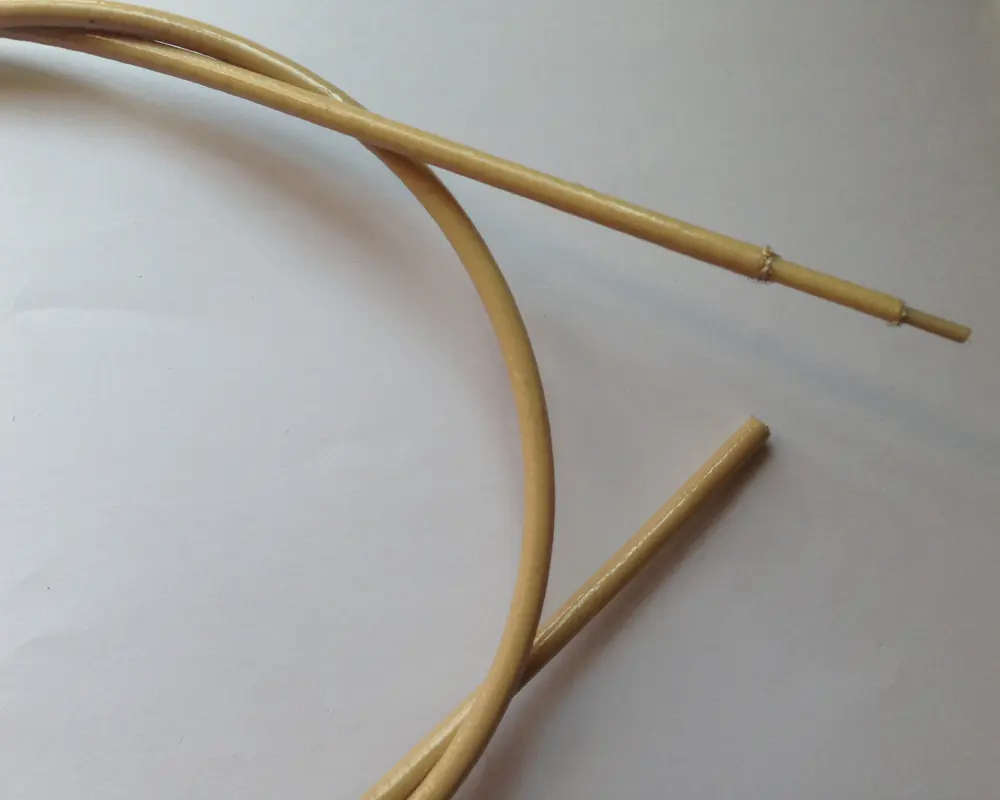
En la automatización industrial moderna, la ingeniería aeroespacial, la instrumentación médica avanzada y la exploración de aguas profundas, la integridad de los sistemas de interconexión eléctrica suele determinar el éxito o el fracaso de un proyecto completo. A medida que los equipos reducen su tamaño y aumentan su rendimiento, las configuraciones de cableado estándar disponibles en el mercado revelan rápidamente sus limitaciones. Ante ciclos térmicos extremos, campos de radiación intensos, exposición a productos químicos corrosivos o limitaciones espaciales severas, los equipos de ingeniería suelen enfrentarse a desafíos de interconexión únicos que les obligan a diseñar una solución a medida. Cable especial personalizado Adaptado a métricas de rendimiento exactas.Entre los materiales aislantes especializados disponibles para los desarrolladores, la poliimida —conocida por su nombre comercial de DuPont, Kapton— destaca como un elemento indispensable para el cableado de alto rendimiento. Sin embargo, lograr un diseño exitoso con este material implica mucho más que simplemente reemplazar una cubierta termoplástica estándar. Para evitar fallas prematuras en campo y cuellos de botella en la fabricación, los desarrolladores deben comprender a fondo los límites físicos del material, las particularidades de su ciclo de vida de producción y los sutiles matices mecánicos de su integración en una arquitectura de sistema más amplia.Descifrando los fundamentos físicos y químicos de la poliimidaPara diseñar eficazmente con Kapton, un ingeniero debe comprender primero la robustez molecular que le confiere su reputación. A diferencia de las alternativas de aislamiento convencionales como el cloruro de polivinilo (PVC), el poliuretano (PUR) o incluso diversos fluoropolímeros como el PTFE, la poliimida posee una estructura aromática que le proporciona una estabilidad térmica y una resistencia mecánica excepcionales. Mantiene su integridad estructural y sus propiedades eléctricas en un amplio rango de temperaturas, funcionando de forma fiable desde temperaturas criogénicas de hasta -269 °C hasta exposiciones intermitentes que superan los 400 °C.Más allá de sus límites térmicos, el Kapton presenta una rigidez dieléctrica excepcionalmente alta. Esto permite a los ingenieros de diseño lograr un excelente aislamiento eléctrico con paredes increíblemente delgadas. En el caso de los arneses de cables aeroespaciales, donde el peso es un factor crítico, o de los cables umbilicales multiconductores de alta densidad, minimizar el grosor del aislamiento se traduce directamente en reducciones drásticas de la masa y el volumen totales del sistema. Además, el material es altamente resistente a la radiación ionizante y prácticamente inerte a la mayoría de los disolventes orgánicos, ácidos y combustibles, lo que lo convierte en un elemento fundamental en la ingeniería nuclear, las instalaciones de fabricación de semiconductores y las naves espaciales orbitales. Límites de gestión térmica y sinergia de conductoresAl gestionar perfiles térmicos intensos, un ingeniero no puede evaluar el material aislante de forma aislada. Si bien el cableado especializado común puede soportar picos de calor industriales menores, las aplicaciones que superan los 250 °C exponen el aislamiento estándar a la degradación térmica, el ablandamiento o la desgasificación catastrófica. En estos entornos exigentes, diseñar e implementar un sistema robusto es fundamental. Cable Kapton resistente a altas temperaturas Se convierte en la opción de ingeniería definitiva para garantizar la supervivencia del sistema. Esta construcción especializada asegura que el cable conserve su flexibilidad estructural y sus propiedades de barrera eléctrica sin sufrir la rotura por frío típica de los plásticos estándar en entornos criogénicos ni fundirse bajo sobrecargas térmicas severas.Sin embargo, un error común en el diseño para altas temperaturas es no lograr una metalurgia del conductor adecuada que combine la capacidad térmica del aislamiento con la del conductor. A temperaturas elevadas, el cable de cobre desnudo estándar se oxida rápidamente, lo que provoca un fuerte aumento de la resistencia eléctrica y, finalmente, una falla mecánica. Para contrarrestar esto, los ingenieros deben combinar el aislamiento de poliimida con cobre plateado para un funcionamiento continuo hasta 200 °C, o con cobre niquelado para entornos que alcanzan entre 250 °C y 400 °C. Este enfoque integral garantiza que el conductor y el aislamiento se degraden a ritmos compatibles, preservando así la vida útil a largo plazo de todo el conjunto de interconexión.Realidades del proceso de envoltura con cinta adhesiva y limitaciones estructuralesDesde el punto de vista de la fabricación, la poliimida se comporta de manera muy diferente a los termoplásticos tradicionales procesables por fusión. Debido a que la poliimida pura no posee un punto de fusión convencional y no fluye con facilidad bajo calor, no se puede extruir sobre un conductor utilizando maquinaria de extrusión de cabezal transversal estándar. En cambio, la fabricación de un núcleo aislado con poliimida se basa en un proceso de envoltura con cinta de precisión, donde finas cintas de película Kapton se enrollan en espiral alrededor del conductor móvil con una superposición muy controlada, que suele oscilar entre el 25 % y el 50 %.Para transformar estas capas envueltas en una barrera aislante continua e impermeable, los fabricantes utilizan una película compuesta recubierta con una fina capa de etileno propileno fluorado (FEP). Tras el proceso de envoltura, el cable en bruto pasa por un horno de sinterización a alta temperatura donde el FEP se funde y actúa como adhesivo termoplástico, fusionando permanentemente las capas de poliimida.Esta metodología de envoltura con cinta introduce varias limitaciones de diseño únicas que los ingenieros deben tener en cuenta durante la fase inicial de diseño. En primer lugar, las capas enrolladas en espiral crean una direccionalidad inherente dentro de la estructura de aislamiento, lo que significa que un radio de curvatura excesivamente pequeño o una torsión localizada repetitiva pueden inducir micro-cizallamiento entre capas o puntos de concentración de tensión. En segundo lugar, si bien el proceso de sinterización sella las capas eficazmente contra la humedad nominal, las aplicaciones que requieren inmersión completa o exposición a fluidos a alta presión pueden requerir una cubierta exterior secundaria de fluoropolímero extruido para garantizar un sellado absoluto contra la humedad. Finalmente, las zonas de solapamiento crean naturalmente variaciones sutiles y periódicas en el diámetro exterior del cable, lo que obliga a los ingenieros a incorporar tolerancias mecánicas ligeramente más amplias al calcular las proporciones de llenado de conductos o conectores ajustados.Integridad de la señal de alta frecuencia y mitigación del vacíoEn sistemas sofisticados de comunicaciones, telemetría de radar y conjuntos de sensores, los cables deben hacer algo más que simplemente transmitir energía eléctrica; deben preservar la fidelidad absoluta de las formas de onda de alta frecuencia. En entornos de alto vacío o ultra alto vacío (UHV), como los que se encuentran en satélites orbitales, sondas espaciales o cámaras de litografía de semiconductores, el fenómeno de la desgasificación de materiales representa una grave amenaza. Si un material aislante libera materia volátil condensable en condiciones de vacío, estas partículas migrarán inevitablemente y se depositarán sobre lentes ópticas delicadas, paneles solares o superficies sensibles de sensores, inutilizando sistemas multimillonarios.La poliimida es muy apreciada en arquitecturas de vacío debido a su perfil de desgasificación excepcionalmente bajo y su constante dieléctrica estable en frecuencias variables. Cuando un sistema requiere la transmisión de señales sensibles de radiofrecuencia o microondas dentro de estos espacios limpios y confinados, especificar un material de alto rendimiento es fundamental. Cable coaxial con aislamiento Kapton Se ha convertido en un paradigma arquitectónico fundamental. Esta configuración aprovecha las capacidades de pared ultrafina de la poliimida envuelta en cinta, junto con trenzas de blindaje tejidas con precisión, para ofrecer una impedancia característica altamente estable y predecible, como 50 o 75 ohmios. El conjunto resultante minimiza la atenuación de la señal y la interferencia electromagnética, a la vez que reduce el tamaño físico del cable, lo que le permite navegar por las rutas de enrutamiento densas y complejas que se encuentran en los equipos aeroespaciales y científicos modernos. Configuraciones multinúcleo y dinámica de integración mecánicaA medida que aumenta la complejidad del cableado personalizado, los diseñadores suelen tener que integrar diversas funcionalidades en una única cubierta compuesta unificada. Un solo conjunto multiconductor puede requerir la integración simultánea de líneas de alimentación de alta corriente, pares trenzados de control de baja tensión, elementos coaxiales de alta frecuencia e incluso tubos de suministro neumático o fluido. Gestionar la geometría interna de una sección transversal tan compleja exige un profundo conocimiento de la interacción mecánica.Debido a que el aislamiento de poliimida curada es inherentemente más rígido y posee mayor resistencia a la tracción que los elastómeros blandos, su comportamiento durante las operaciones de torsión y cableado debe gestionarse cuidadosamente. Los diseñadores deben optimizar la longitud de la toma de cable (la distancia necesaria para que un solo conductor complete una vuelta completa alrededor del eje del cable) para equilibrar la flexibilidad general con el par estructural. Si la longitud de la toma de cable es demasiado larga, el cable se vuelve rígido y propenso a doblarse; si es demasiado corta, las tensiones internas se acumulan rápidamente.Además, debido a que la superficie dura del Kapton puede causar desgaste abrasivo contra materiales más blandos durante la flexión dinámica repetida, es fundamental incorporar rellenos internos adecuados. El uso de materiales como rellenos de PTFE expandido o elementos de refuerzo de aramida ayuda a mantener un perfil de cable perfectamente redondo, eliminando los espacios vacíos internos. La introducción de cintas separadoras delgadas y de baja fricción entre las capas internas garantiza que los componentes individuales se deslicen suavemente entre sí cuando el cable se flexiona, evitando la acumulación de tensión localizada y asegurando la durabilidad mecánica del conjunto en aplicaciones dinámicas como brazos articulados robóticos o vías industriales pesadas.Al considerar estas realidades materiales desde la fase conceptual, el diseño de cables pasa de ser un proceso de ensayo y error a una disciplina de ingeniería rigurosa y predecible. Al equilibrar las exigencias eléctricas, las condiciones térmicas y las limitaciones de fabricación desde el primer día, los equipos de ingeniería pueden ofrecer soluciones de interconexión robustas y de alto rendimiento que funcionan eficazmente en los entornos operativos más exigentes del mundo.
LEER MÁS


 Compatible con redes IPv6